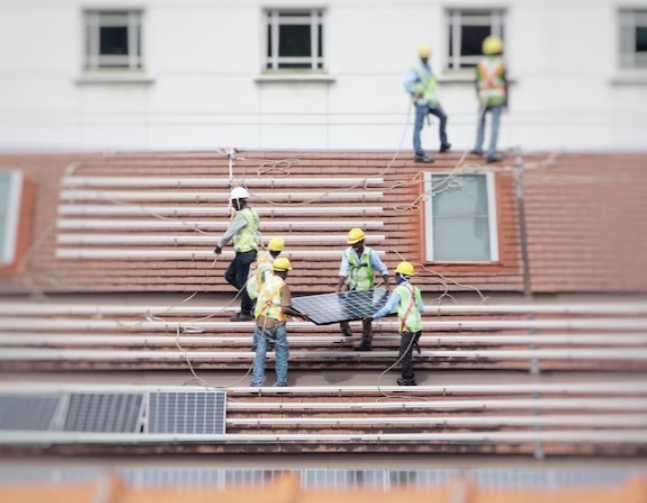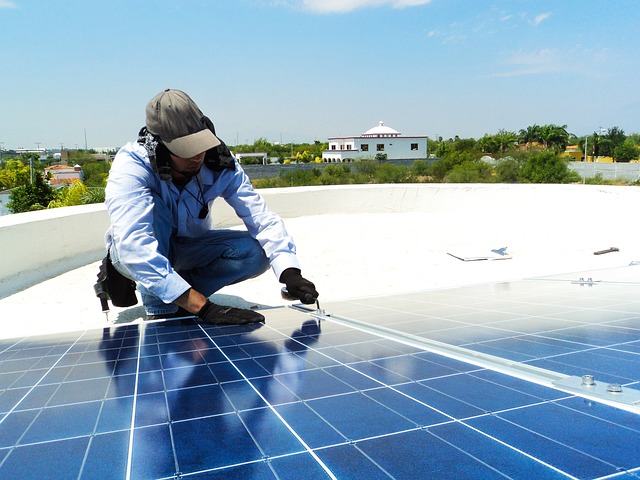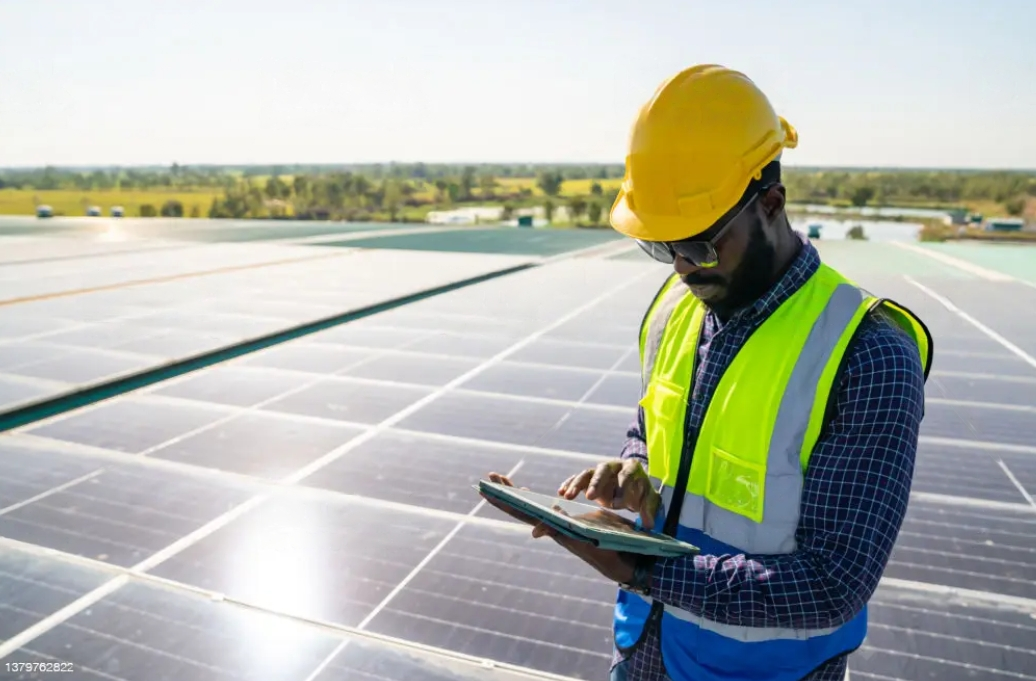
As Nigeria grapples with power supply challenges, the need for sustainable energy solutions becomes increasingly evident. Solar & Inverter Systems have emerged as a reliable and eco-friendly solution to power Nigerian homes. This article explores how solar and inverter systems can effectively power homes in Nigeria, providing a sustainable energy solution that addresses the issues of reliability, affordability, and environmental impact.
Reliable Power Supply: Solar & Inverter Systems offer a reliable power supply for Nigerian homes. In a country where grid outages and load shedding are common, solar power provides a consistent source of electricity. Solar panels convert sunlight into usable energy, which can be stored in batteries through the inverter system. This stored energy ensures continuous power supply, even during times of grid failure. By relying on solar energy, homeowners in Nigeria can have peace of mind knowing that their homes will have a stable power supply
Customizable System Design: Solar & Inverter Systems can be customized to meet the specific energy needs of Nigerian homes. Depending on the energy consumption and available roof space, homeowners can determine the appropriate size and capacity of the solar panel array and battery storage. This flexibility allows for scalability, enabling homeowners to start with a smaller system and expand it over time as their energy needs grow. Customizable system design ensures optimal performance and cost-effectiveness.
Financial Savings:
Investing in Solar & Inverter Systems can lead to significant financial savings for Nigerian homeowners. By generating their own electricity, homeowners can reduce or eliminate their reliance on expensive diesel generators and reduce their monthly utility bills. Solar power is a free and renewable resource, meaning the cost of energy production is significantly lower compared to traditional sources. Over time, the savings on utility bills can offset the initial investment, resulting in long-term financial benefits.
Minimal Environmental Impact:
Solar & Inverter Systems have a minimal environmental impact compared to fossil fuel-based energy sources. Solar energy is clean and renewable, producing no greenhouse gas emissions or air pollution during operation. By transitioning to solar power, Nigerian homeowners can contribute to reducing their carbon footprint and mitigating the effects of climate change. Embracing sustainable energy solutions like solar power aligns with global efforts to protect the environment and preserve natural resources.

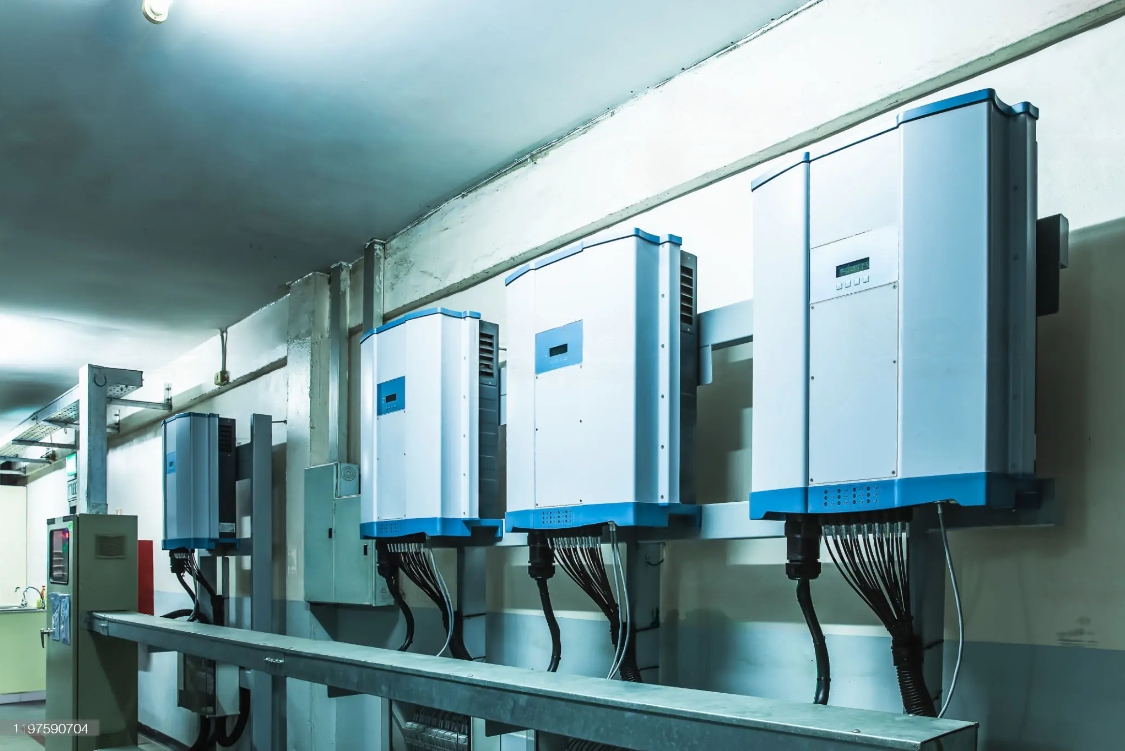
Low Maintenance Requirements: Maintaining Solar & Inverter Systems in Nigeria is relatively straightforward. Solar panels require occasional cleaning to remove dirt and debris that may affect their efficiency. Inverter systems, which convert solar energy into usable electricity, have no moving parts and typically require minimal maintenance. Regular system checks and inspections can ensure optimal performance. With proper care and periodic inspections, solar and inverter systems can provide reliable power for many years with little maintenance required.
Energy Independence: By adopting Solar & Inverter Systems, Nigerian homeowners can achieve a certain degree of energy independence. They become less reliant on the grid and are not subject to the limitations and fluctuations of the centralized power supply. Solar power enables homeowners to generate their own electricity, giving them greater control over their energy consumption and costs. This energy independence provides stability, resilience, and peace of mind, especially during times of grid outages or instability.
Conclusion:
Solar & Inverter Systems offer a sustainable energy solution for powering homes in Nigeria. With reliable power supply, customizable system design, financial savings, minimal environmental impact, low maintenance requirements, and energy independence, solar power provides a viable alternative to traditional energy sources. By harnessing the abundant sunlight, Nigerian homeowners can overcome power supply challenges, reduce reliance on fossil fuels, and contribute to a greener and more sustainable future. Solar & Inverter Systems empower homeowners to take control of their energy needs while promoting a cleaner and more resilient energy ecosystem in Nigeria.