With the increasing interest in sustainable energy solutions, many homeowners in Nigeria are considering installing solar and inverter systems to power their homes. However, the installation process may seem daunting for those new to the technology. This comprehensive guide aims to provide Nigerian homeowners with the necessary information and steps to successfully install solar and inverter systems, enabling them to embrace renewable energy and enjoy the benefits it offers.
Assessing Energy Needs
The first step in installing solar and inverter systems is to assess your energy needs. Evaluate your average daily energy consumption, taking into account appliances, lighting, electronics, and other electrical devices. This assessment will help you determine the appropriate system size and capacity required to meet your energy demands.
Site Assessment
Conduct a site assessment to determine the feasibility of solar panel installation. Evaluate the orientation, tilt, and shading of your roof to ensure maximum exposure to sunlight. Consider any potential obstructions that may cast shadows on the panels, such as nearby trees or buildings. A site assessment will help determine the optimal location for solar panel placement and ensure optimal performance.
Selecting the Right System Components
Choose high-quality solar panels, inverters, and batteries that meet your energy needs and budget. Consider factors such as efficiency, durability, warranties, and compatibility with Nigerian weather conditions. Consult with reputable solar vendors or professionals to guide you in selecting the right components for your specific requirements.
Engaging a Professional Installer
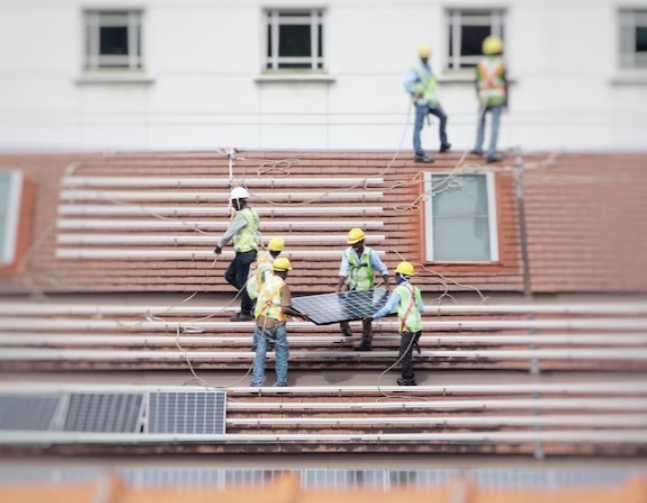
While it is possible to install solar and inverter systems independently, engaging a professional installer is highly recommended. An experienced installer will ensure that the system is properly designed, safely installed, and meets all electrical and safety standards. They will handle the mounting of solar panels, wiring connections, and integration of the inverter system, providing you with peace of mind and ensuring optimal system performance.

Obtaining Permits and Approvals
Before installation, it is essential to obtain the necessary permits and approvals. Check with your local government or relevant authorities to understand the regulations and requirements for installing solar and inverter systems in your area. This step ensures that your installation is compliant with local regulations and safety standards.
System Installation and Commissioning
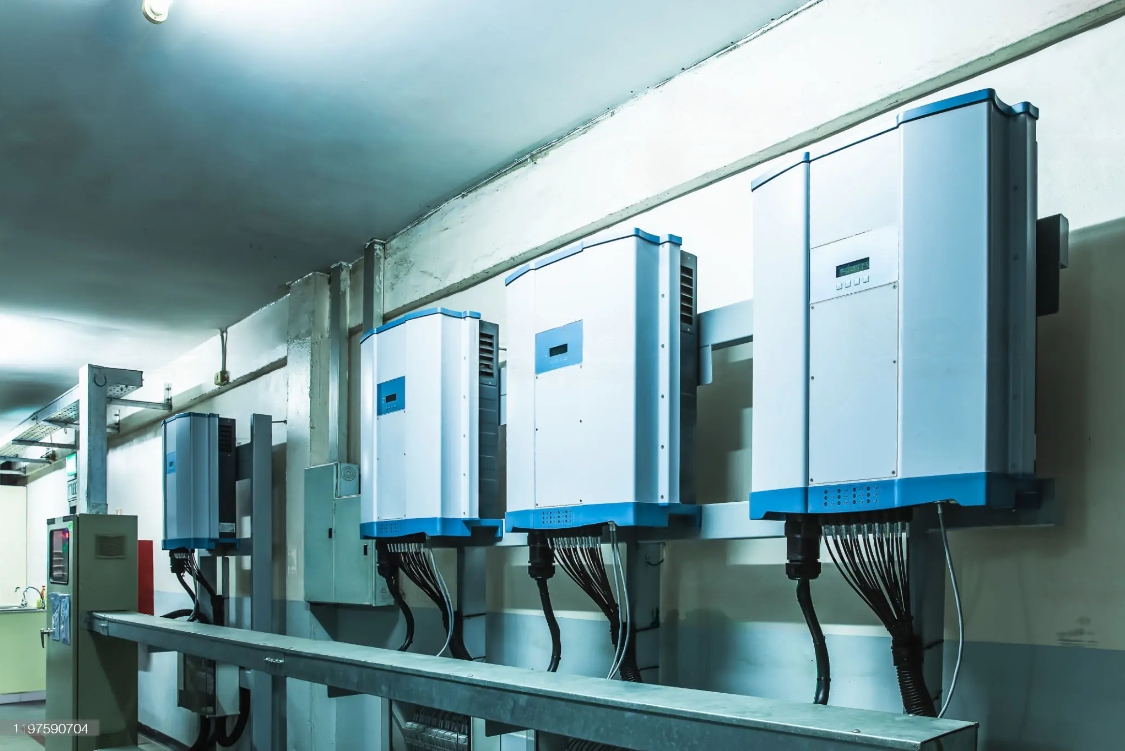
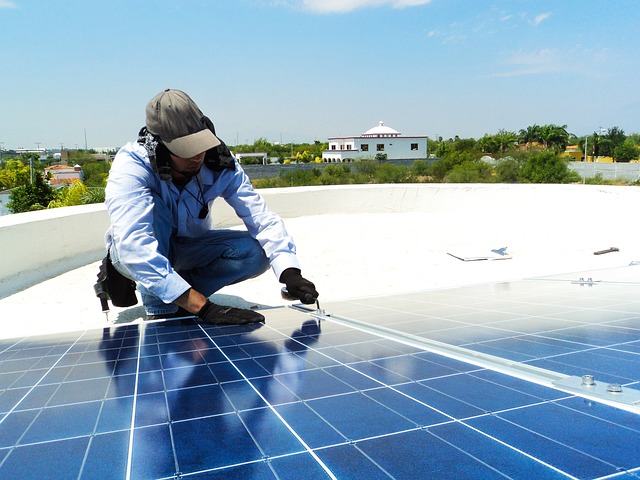
Once the permits and approvals are obtained, the professional installer will proceed with the installation. This includes mounting the solar panels, connecting them to the inverter system, and integrating the system with your home’s electrical system. The installer will also conduct thorough testing and commissioning to ensure the system is functioning optimally and safely installation is compliant with local regulations and safety standards.
Monitoring and Maintenance
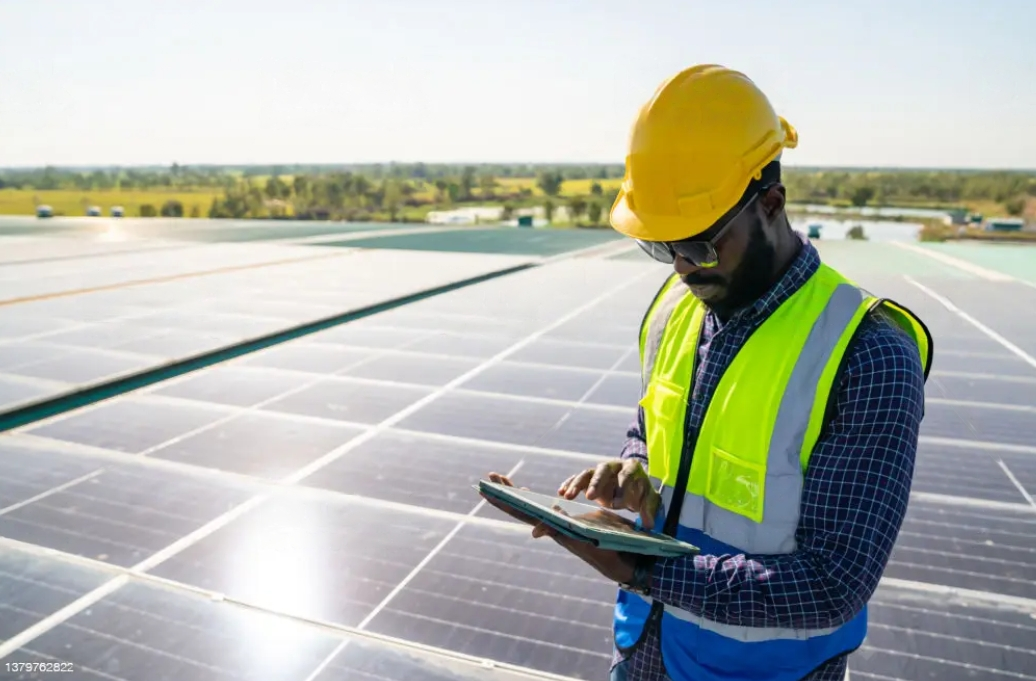
After installation, regularly monitor and maintain your solar and inverter system to ensure optimal performance and longevity. Keep an eye on energy production, battery levels, and inverter performance. Clean the solar panels periodically to remove dirt and debris that may affect their efficiency. Schedule regular maintenance checks with the installer to identify and address any issues promptly.
Conclusion:
Installing solar and inverter systems in Nigeria is a valuable investment towards sustainable and reliable energy. By assessing energy needs, conducting site assessments, selecting quality components, engaging professional installers, obtaining permits, and conducting regular monitoring and maintenance, Nigerian homeowners can successfully install and enjoy the benefits of solar and inverter systems. Embracing renewable energy not only reduces reliance on the grid but also contributes to a cleaner environment and a more sustainable future for Nigeria.