The concept of a connected home, where devices seamlessly communicate and work together, is becoming a reality with the advent of smart home automation. In Nigeria, smart home automation is transforming living spaces and redefining the way homeowners interact with their homes. This article explores how smart home automation is revolutionizing living spaces in Nigeria, enhancing convenience, efficiency, and comfort for residents.
Seamless Control and Integration:
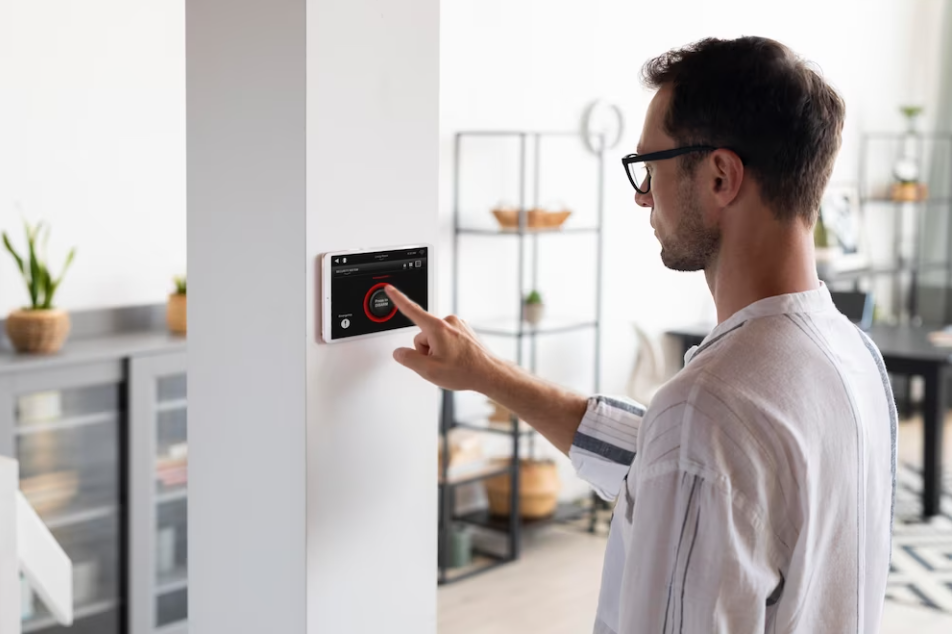
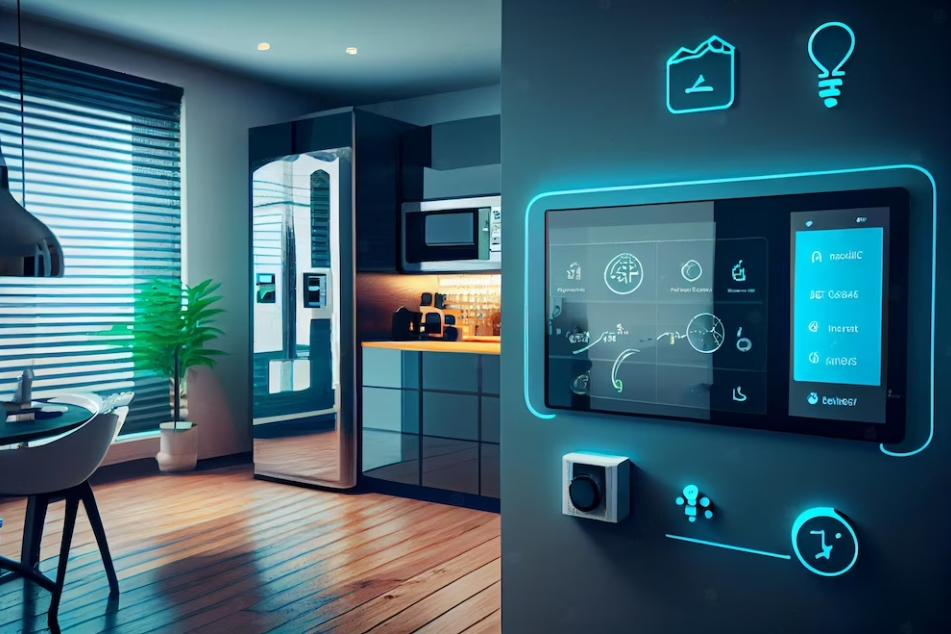
Smart home automation enables homeowners in Nigeria to have seamless control and integration of their home devices. Through a centralized hub or smartphone application, residents can control various aspects of their homes, including lighting, temperature, security systems, entertainment devices, and more. The ability to integrate and control these devices from a single interface enhances convenience and simplifies daily tasks.
Voice Control and Virtual Assistants:
The rise of virtual assistants such as Amazon Alexa, Google Assistant, and Apple Siri has further enhanced the smart home experience in Nigeria. Homeowners can use voice commands to control their connected devices, eliminating the need for physical interaction. Voice control allows for hands-free operation, making it easier to manage devices while performing other tasks. Whether it’s adjusting the thermostat, playing music, or even ordering groceries, virtual assistants offer a new level of convenience and accessibility.
Energy Efficiency and Cost Savings:
Smart home automation in Nigeria contributes to energy efficiency and cost savings. Homeowners can optimize energy usage by remotely controlling thermostats, managing lighting schedules, and monitoring energy consumption. For instance, smart thermostats can learn and adjust temperature settings based on occupancy patterns, resulting in energy savings. By reducing unnecessary energy consumption, homeowners can lower utility bills and contribute to a greener environment.
Enhanced Home Security:
Home security is a top concern for homeowners in Nigeria, and smart home automation provides advanced security features. Smart security systems can include cameras, door sensors, motion detectors, and smart locks. These devices can be accessed and controlled remotely, allowing homeowners to monitor their homes and receive instant notifications of any suspicious activity. Smart security systems offer peace of mind, ensuring that residents can keep a watchful eye on their properties, even when they are away.
Personalized and Adaptive Environments:
Smart home automation creates personalized and adaptive environments tailored to individual preferences. With the ability to program settings and automation routines, homeowners in Nigeria can create customized experiences. For example, waking up to a gradually lit room, having the blinds open automatically at sunrise, or playing a specific playlist when entering a room. Smart home automation allows for a more personalized and comfortable living space that adapts to the needs and preferences of residents.
Remote Monitoring and Management:
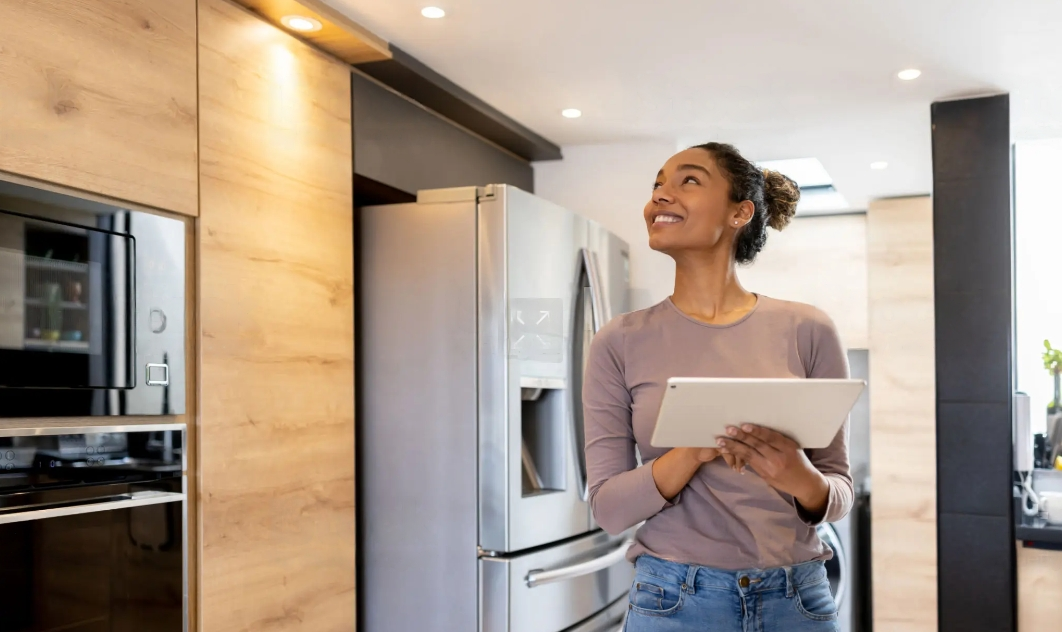
The convenience of remote monitoring and management is a key advantage of smart home automation. Homeowners can monitor and control their homes from anywhere using a smartphone or tablet. Whether it’s adjusting settings, checking security camera feeds, or receiving alerts, remote access provides peace of mind and control over the home environment, even when residents are not physically present.
Conclusion:
Smart home automation is revolutionizing living spaces in Nigeria, offering enhanced convenience, energy efficiency, security, and personalization. By creating a connected home, homeowners can seamlessly control and integrate various devices, leverage voice control and virtual assistants, optimize energy usage, enhance home security, personalize their environments, and remotely monitor and manage their homes. As smart home technology continues to advance, the possibilities for creating connected and intelligent living spaces in Nigeria are expanding, enriching the lives of residents and transforming the way they interact with their homes.