Selecting the right solar and inverter system is crucial for Nigerian homeowners looking to harness the power of solar energy. With numerous options available in the market, it’s essential to consider various factors to ensure the system meets your specific needs and provides optimal performance. This article provides valuable insights into the key factors Nigerian homeowners should consider when choosing a solar and inverter system for their homes.
Energy Needs and Consumption:
Begin by assessing your energy needs and consumption. Determine the average daily energy usage in kilowatt-hours (kWh) based on your household’s appliances, lighting, and electronics. This assessment will help determine the appropriate system size and capacity required to meet your energy demands. Understanding your energy needs is crucial in selecting a solar and inverter system that can generate sufficient electricity to power your home.
Available Roof Space:
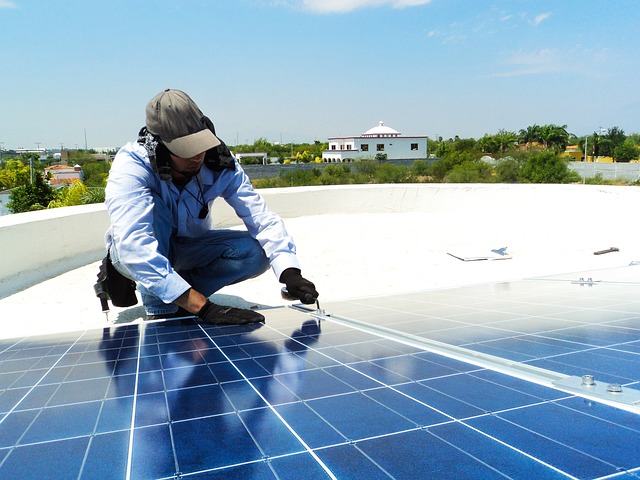
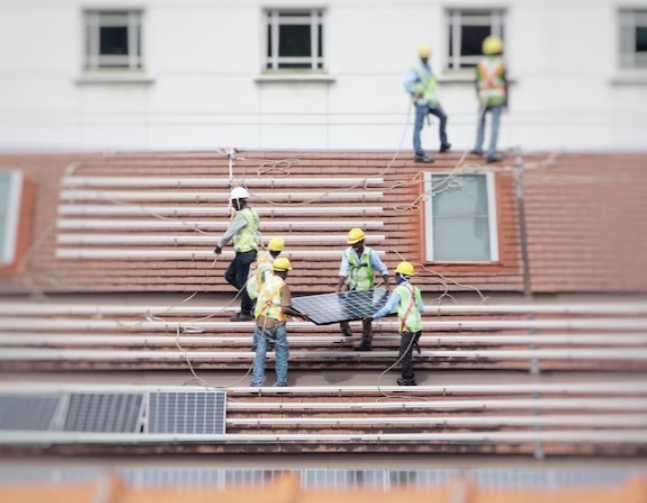
Evaluate the available roof space for solar panel installation. Consider factors such as roof orientation, tilt, shading from nearby objects, and structural integrity. Solar panels perform best when they receive maximum sunlight throughout the day. Ideally, the roof should have sufficient unshaded area and face southward in Nigeria for optimal energy production. Assessing your roof’s suitability for solar panel installation ensures that you can maximize the system’s efficiency.
Quality and Reliability:
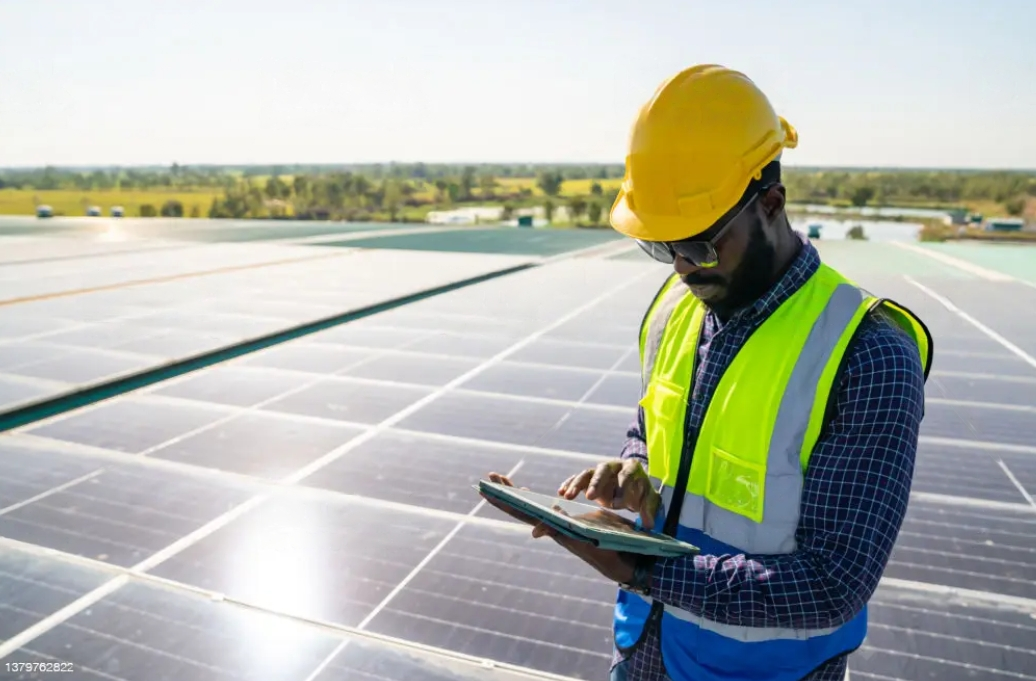
Choose high-quality solar panels and inverters from reputable manufacturers. Look for products that have certifications and meet international quality standards. Research the track record and reputation of the manufacturer, including their warranty terms and after-sales support. Investing in reliable and durable components ensures the longevity and optimal performance of your solar and inverter system.
System Efficiency and Output:
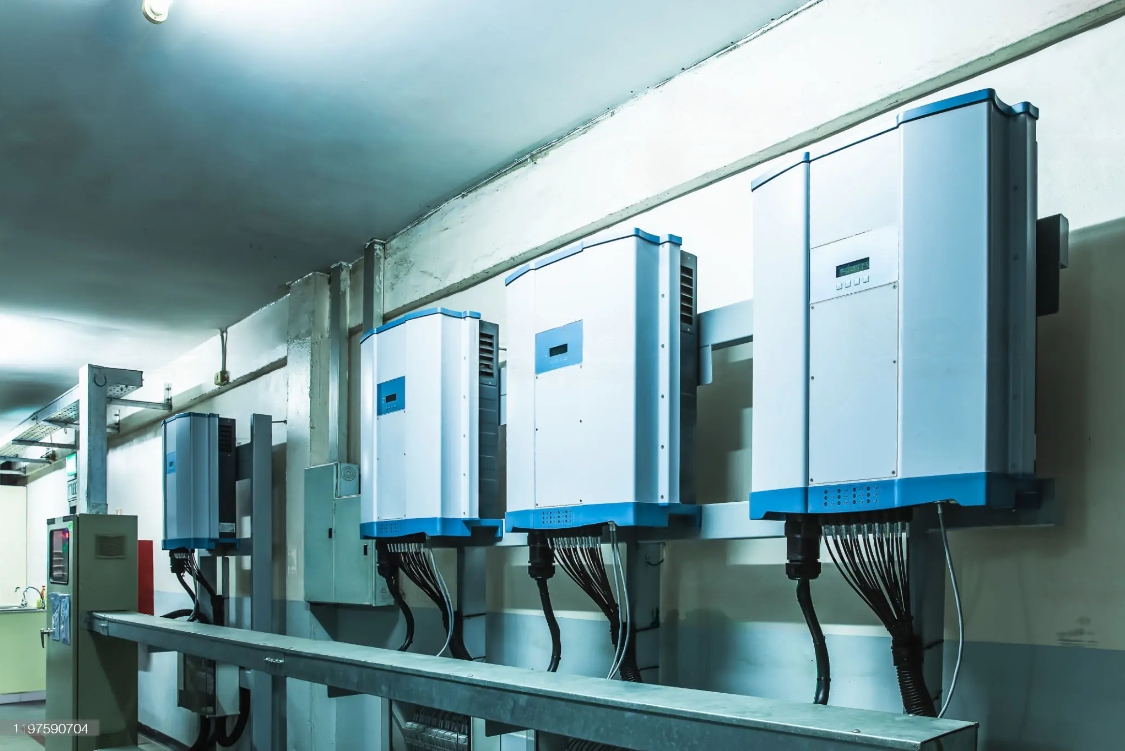
Consider the efficiency of solar panels and inverters. Higher efficiency means that the system can generate more electricity from the same amount of sunlight. Look for solar panels with higher efficiency ratings to maximize energy production. Additionally, consider the inverter’s efficiency, as it converts solar energy into usable electricity. Opting for efficient components ensures that your system can generate the maximum amount of electricity from the available sunlight.
Battery Storage and Backup:
Evaluate your need for battery storage and backup power. Battery storage allows you to store excess solar energy generated during the day for use during evenings or grid outages. Determine if you require a battery system to provide uninterrupted power supply or if you prefer a grid-tied system that feeds excess energy back into the grid. Assessing your backup power needs helps you choose the right battery capacity and backup solution for your home.
Budget and Financing Options:
Consider your budget for the solar and inverter system. Determine how much you are willing to invest and evaluate the long-term financial benefits of solar power. Explore financing options, such as solar loans or leasing arrangements, if the upfront cost is a barrier. Balancing your budget and the potential long-term savings allows you to make an informed decision and choose a system that aligns with your financial goals.
Conclusion:
Choosing the right solar and inverter system for your Nigerian home requires careful consideration of factors such as energy needs, available roof space, quality and reliability, system efficiency, battery storage requirements, and budget. By assessing these factors, you can make an informed decision and select a solar and inverter system that meets your specific requirements, maximizes energy production, and provides long-term financial and environmental benefits. Investing in the right solar and inverter system is a step towards a sustainable future and energy independence for Nigerian homeowners.