Computer networking is a fundamental aspect of our digital world, connecting devices and enabling communication. In this article, we’ll demystify computer networking by exploring its basic concepts and shedding light on how it works.
What Is Computer Networking?
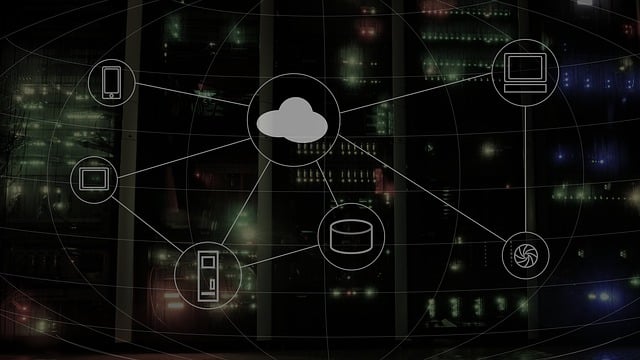
At its core, computer networking is the practice of connecting computers and other devices to share resources and information. These networks can be small, like a home Wi-Fi network, or vast, like the internet, which connects devices across the globe.
Key Networking Components
- Nodes: These are the devices connected to the network, such as computers, smartphones, servers, and routers.
- Data Transmission: Networks use various methods to transmit data, including wired (Ethernet cables) and wireless (Wi-Fi) connections.
- Protocols: Protocols are rules and conventions that govern data exchange between devices on a network. The most famous protocol suite is TCP/IP, which underpins the internet.
- Routers: Routers are devices that direct data between different networks. They serve as traffic controllers, ensuring data reaches its intended destination.
Types of Networks
There are several types of networks, including:
- Local Area Network (LAN): A LAN covers a small geographical area, like a home, office, or school, and connects devices within that area.
- Wide Area Network (WAN): A WAN spans larger geographical regions, often connecting multiple LANs. The internet itself is the largest WAN.
- Wireless Networks: These networks use radio waves to connect devices wirelessly, like Wi-Fi networks in homes and public places.
How Data Travels
Data travels in packets. Imagine them as digital envelopes. Each packet contains a portion of the data, the sender’s and recipient’s addresses, and information for reassembling the data at its destination. Routers and switches on the network route these packets efficiently.
Benefits of Computer Networking
Computer networking offers numerous benefits:
- Resource Sharing: Devices on a network can share resources like printers, files, and internet connections.
- Communication: Networking allows instant communication through email, video conferencing, and messaging.
- Data Storage: Networked storage solutions enable data access from anywhere on the network.
- Remote Access: Networks enable remote access to devices and data, enhancing flexibility.
Conclusion
Computer networking is the backbone of our interconnected world. Understanding its basic concepts and components is essential for anyone using or working with computers. It facilitates communication, resource sharing, and data access, making it an integral part of modern life.