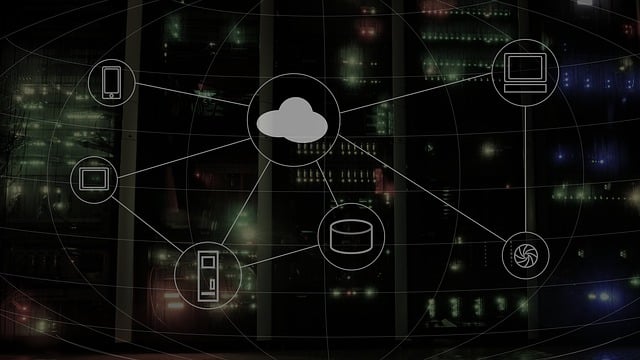
Computer networking has come a long way from its humble beginnings. This article traces the evolution of computer networking, from local networks to the vast cloud-based systems that power our digital world today.
The Early Days: Local Networks
In the early days of computing, networks were limited to local connections. Local Area Networks (LANs) allowed devices within a small geographical area, like an office, to communicate and share resources. Ethernet cables and hubs were common networking tools.
The Rise of the Internet
The real breakthrough came with the creation of the internet. The ARPANET, a precursor to the internet, was established in the late 1960s. It connected research institutions and paved the way for global networking. The internet, as we know it, became publicly accessible in the early 1990s, revolutionizing communication and information access.
Client-Server Architecture
The client-server model became dominant. In this architecture, clients (devices) request services or resources from servers (centralized computers). This model underpins most internet-based services and applications.
The Cloud Revolution
In recent years, the cloud has reshaped computer networking. Cloud computing allows access to shared computing resources (servers, storage, databases) over the internet. This shift has transformed IT infrastructure, making it scalable, cost-effective, and accessible from anywhere.
Types of Cloud Services
Cloud computing offers various services, including:
- Infrastructure as a Service (IaaS): Provides virtualized computing resources over the internet.
- Platform as a Service (PaaS): Offers a platform and environment for developers to build, deploy, and manage applications.
- Software as a Service (SaaS): Delivers software applications over the internet, eliminating the need for local installations.
Benefits of Cloud Networking
Cloud networking offers several advantages:
- Scalability: Resources can be easily scaled up or down as needed.
- Cost-Efficiency: Pay-as-you-go pricing reduces infrastructure costs.
- Accessibility: Users can access data and applications from anywhere with an internet connection.
- Reliability: Cloud providers often offer high levels of uptime and redundancy.
Security and Privacy Considerations
While cloud networking offers many benefits, it also raises concerns about data security and privacy. Organizations must implement robust security measures and data protection strategies.
Conclusion
The evolution of computer networking from local networks to the cloud has reshaped the way we communicate, work, and access information. Understanding this evolution is crucial for businesses and individuals looking to harness the power of modern networking technologies.