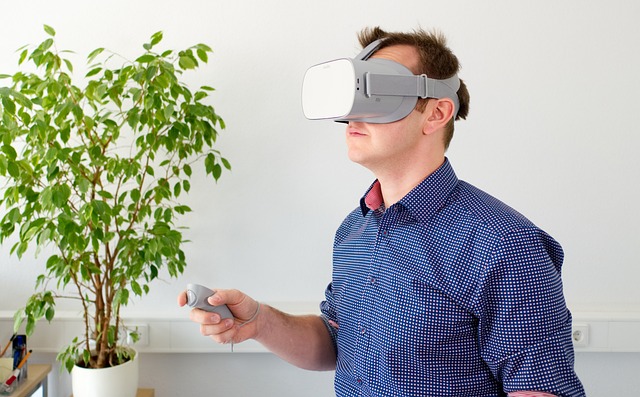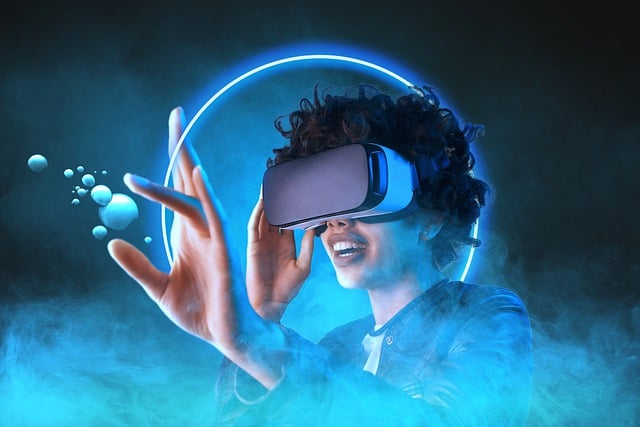
Virtual Reality (VR) is not limited to gaming and entertainment; it’s also making significant strides in industries and training. In this article, we’ll explore how VR is reshaping various sectors and enhancing training methods.
Virtual Reality in Industries
Architecture and Construction: VR allows architects and engineers to create virtual walkthroughs of building designs. Clients can explore spaces before construction begins, making informed decisions. It also aids in spotting design flaws early, saving time and resources.
Healthcare: VR is used for medical training, surgical simulations, and patient education. Surgeons can practice complex procedures in a risk-free environment, and medical students can gain hands-on experience.
Manufacturing: VR assists in product design, assembly line planning, and quality control. It streamlines production processes, reduces errors, and enhances efficiency.
Automotive: Car manufacturers use VR for design validation and virtual prototyping. Engineers can test vehicle prototypes in virtual environments, speeding up the development process.
Retail: VR is transforming the retail sector by creating virtual stores and showrooms. Customers can explore products and make purchasing decisions in immersive settings.
Virtual Reality in Training
Employee Training: VR provides realistic training scenarios for employees in various industries. From emergency response drills to customer service simulations, VR enhances training effectiveness.
Military and Defense: The military uses VR for combat simulations, tactical training, and equipment operation. It offers soldiers a safe space to practice combat strategies.
Airlines and Aviation: Pilots and aviation professionals undergo training in VR simulators that replicate real flight conditions. These simulators help build skills and confidence.
First Responders: Firefighters, paramedics, and police officers use VR for emergency response training. They can practice handling critical situations in a controlled virtual environment.
Education: VR enhances traditional teaching methods by providing immersive learning experiences. Students can explore historical events, dissect virtual organisms, and grasp complex concepts interactively.
Benefits of VR in Training
Safe Learning Environment: VR allows trainees to practice in a safe and controlled environment, reducing risks.
Hands-On Experience: Trainees can gain hands-on experience and muscle memory, improving retention and skill development.
Cost Savings: VR reduces the need for physical training facilities and materials, saving resources.
Customized Training: Training scenarios can be customized to meet specific learning objectives and skill levels.
Challenges and Future Trends
While VR in training offers numerous benefits, challenges include the initial cost of VR equipment, content creation, and the need for ongoing maintenance.
Future trends in VR training may include:
More Accessible Hardware: Lower-cost VR headsets and equipment, making VR training more accessible.
Wider Content Library: A broader range of training modules and simulations across industries.
Remote Training: VR training platforms that allow remote collaboration and training sessions.
Enhanced Interactivity: VR experiences that incorporate haptic feedback and more realistic simulations.
Conclusion
Virtual Reality is more than a gaming and entertainment platform; it’s a versatile tool that is transforming industries and revolutionizing training methods. As VR technology becomes more accessible and diverse, we can expect to see even greater innovations in how we prepare and train for various roles and industries, ultimately enhancing safety, efficiency, and skill development. The future of training is immersive, and VR is leading the way.