In recent years, the automotive industry has witnessed a remarkable transformation with the rise of electric cars. This article delves into the benefits of electric cars and the technological advancements that are driving their popularity.
Benefits of Electric Cars
Zero Emissions: Electric cars produce zero tailpipe emissions. Unlike traditional gasoline-powered vehicles, they do not release harmful pollutants or greenhouse gases into the atmosphere, making them environmentally friendly.
Energy Efficiency: Electric cars are highly energy-efficient. They convert a significant portion of the energy from the grid into forward motion, resulting in lower energy consumption and reduced operating costs.
Quiet Operation: Electric motors operate quietly, reducing noise pollution in urban areas. This contributes to a more peaceful and comfortable driving experience.
Lower Operating Costs: Electric cars have fewer moving parts than internal combustion engine vehicles, which means they require less maintenance. Additionally, electricity is often cheaper than gasoline, resulting in cost savings over the lifetime of the vehicle.
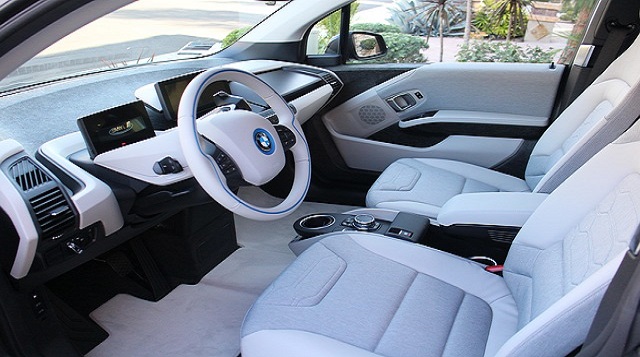
Innovative Features: Electric cars often come equipped with advanced features such as regenerative braking, instant torque, and smart connectivity options that enhance the driving experience.
Technological Advancements in Electric Cars
Battery Technology: Battery technology is at the heart of electric cars. Advances in lithium-ion batteries have led to increased energy density, longer ranges, and faster charging times. Research into solid-state batteries and other innovative materials continues to drive improvements in energy storage.
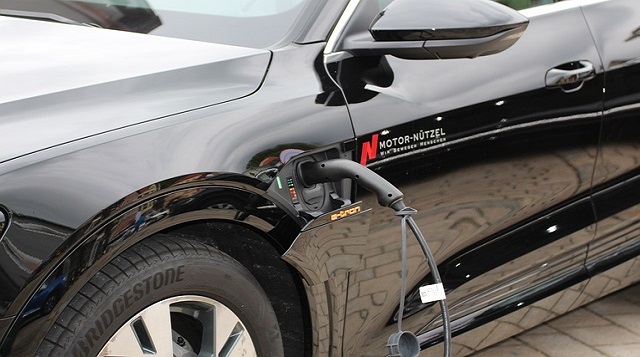
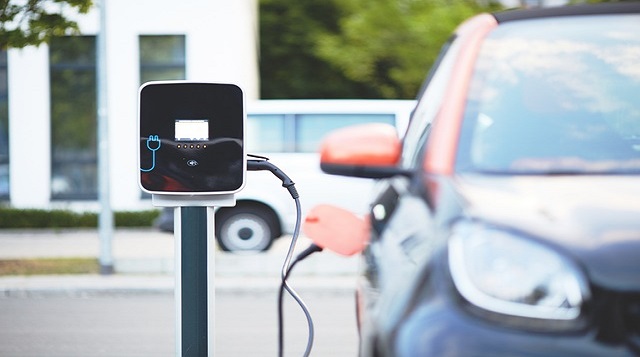
Charging Infrastructure: The development of a robust charging infrastructure is critical for the widespread adoption of electric cars. Fast-charging stations are becoming more prevalent, reducing charging times and increasing convenience for EV owners.
Range: Electric cars are achieving longer ranges on a single charge, alleviating “range anxiety” concerns. High-end models can now travel well over 300 miles on a single charge, making them suitable for long-distance trips.
Variety of Models: Automakers are expanding their electric vehicle offerings. There is now a wide range of electric car models available, from compact city cars to SUVs and luxury vehicles, catering to diverse consumer preferences.
Performance: Electric cars are known for their quick acceleration and impressive torque. High-performance electric vehicles are gaining popularity among enthusiasts for their thrilling driving experiences.
Autonomous Driving: Electric cars often come equipped with advanced driver-assistance systems (ADAS), paving the way for autonomous driving capabilities. Features like adaptive cruise control and lane-keeping assist enhance safety and convenience.
The Global Shift to Electric Cars
Countries worldwide are promoting the adoption of electric cars through policy incentives, emissions targets, and investments in charging infrastructure. Governments are offering tax credits, rebates, and subsidies to make electric cars more affordable and encourage their uptake.
Conclusion
The rise of electric cars signifies a significant shift in the automotive industry toward cleaner, more efficient, and technologically advanced transportation. With their environmental benefits, energy efficiency, and ongoing advancements in battery technology and infrastructure, electric cars are not just a trend but a promising solution for a more sustainable and innovative future of mobility. As more consumers and governments embrace electric vehicles, the automotive landscape is undergoing a transformative change that promises a greener and cleaner future for all.