The installation of Closed-Circuit Television (CCTV) systems is a critical step in enhancing security and surveillance measures in Nigerian properties. Proper installation ensures that CCTV cameras effectively monitor the premises, deter potential threats, and provide valuable evidence when needed. This article serves as a comprehensive guide for installing CCTV systems, highlighting key considerations and best practices for optimal security in Nigerian properties.
1. Conducting a site survey
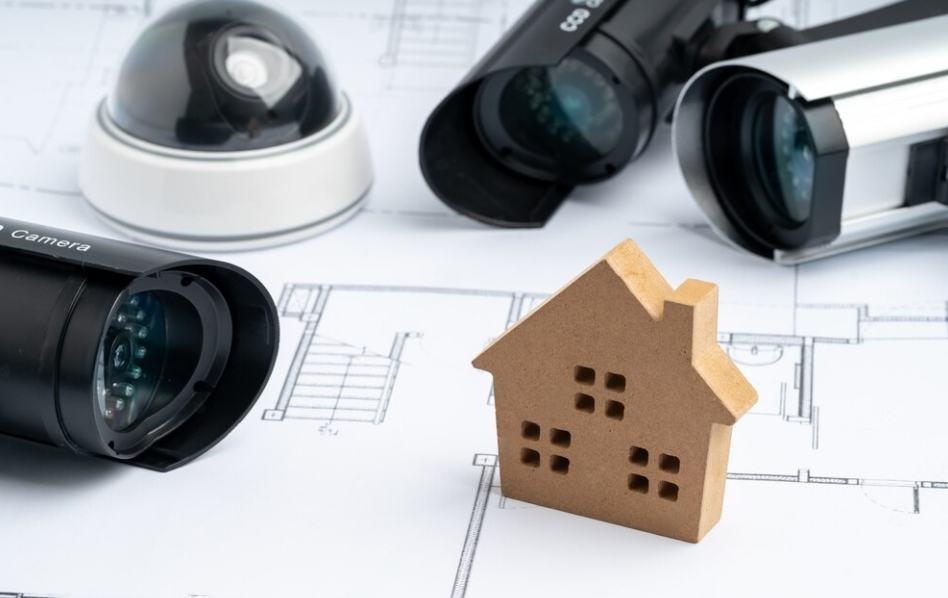
Before installing a CCTV system, perform a thorough site survey to identify areas requiring surveillance coverage. Assess the property layout, entrances, exits, vulnerable spots, and critical areas. This survey helps determine the number of cameras needed and their optimal placement for maximum coverage. It also aids in identifying potential obstacles or challenges that may impact camera positioning or cabling.
2. Camera Placement and Positioning
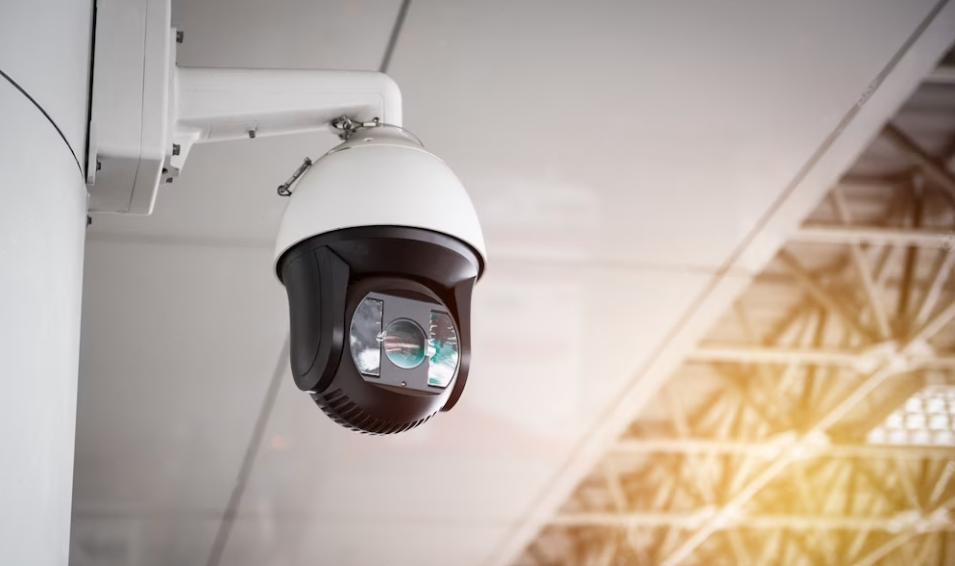
Strategic camera placement is crucial for capturing clear and comprehensive footage. Consider the field of view, angle, and range of each camera to ensure optimal coverage. Position cameras at entry points, near high-value assets, and in areas with high foot traffic. Install cameras at a height that prevents tampering while capturing facial details. Additionally, consider factors like lighting conditions, potential obstructions, and weather conditions to maintain clear visibility.
3. Proper Camera Mounting and Wiring
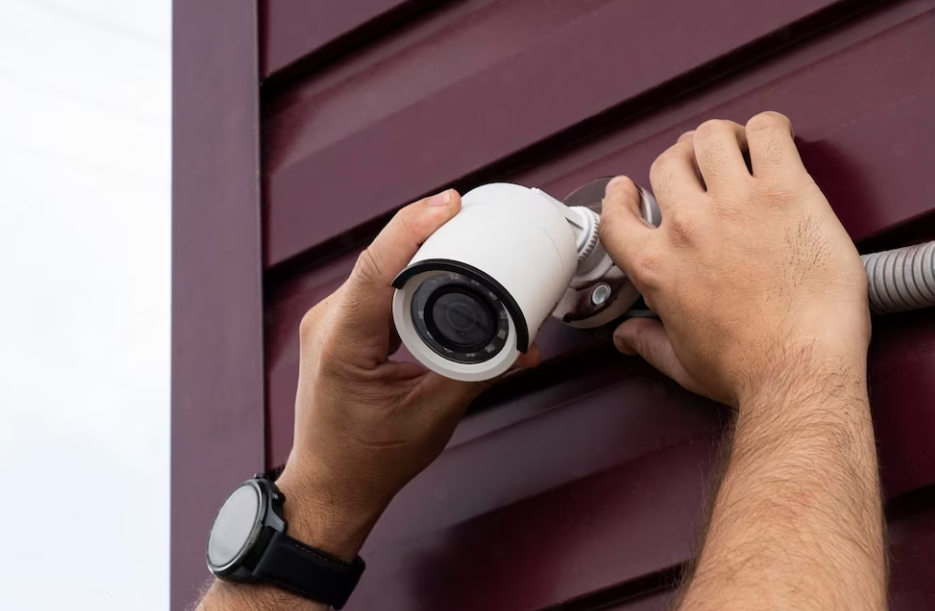
Ensure that CCTV cameras are securely mounted to prevent movement or misalignment over time. Use sturdy mounting brackets and consider weatherproof enclosures for outdoor cameras. Conceal wiring wherever possible to prevent tampering and maintain an aesthetically pleasing installation. Proper cable management and routing help minimize cable exposure and potential damage.
4. Connection and Power Supply
Establish a reliable and secure connection between cameras and the recording device. Use high-quality cables, such as coaxial or network cables, for transmitting video signals. Consider the distance between cameras and the recording device to ensure signal integrity. Adequate power supply is essential for uninterrupted operation. Ensure cameras are powered through stable power sources, using surge protectors and backup power solutions to prevent power disruptions.

5. Network Configuration and Remote Access
For systems utilizing network connectivity, configure the CCTV system to connect to the property’s network. Assign unique IP addresses to each camera and ensure they are accessible through the network. Set up proper network security measures, such as firewalls and encryption, to protect against unauthorized access. Enable remote access features, allowing property owners to monitor cameras and footage from anywhere using secure mobile applications or web-based interfaces.
6. Testing and Maintenance
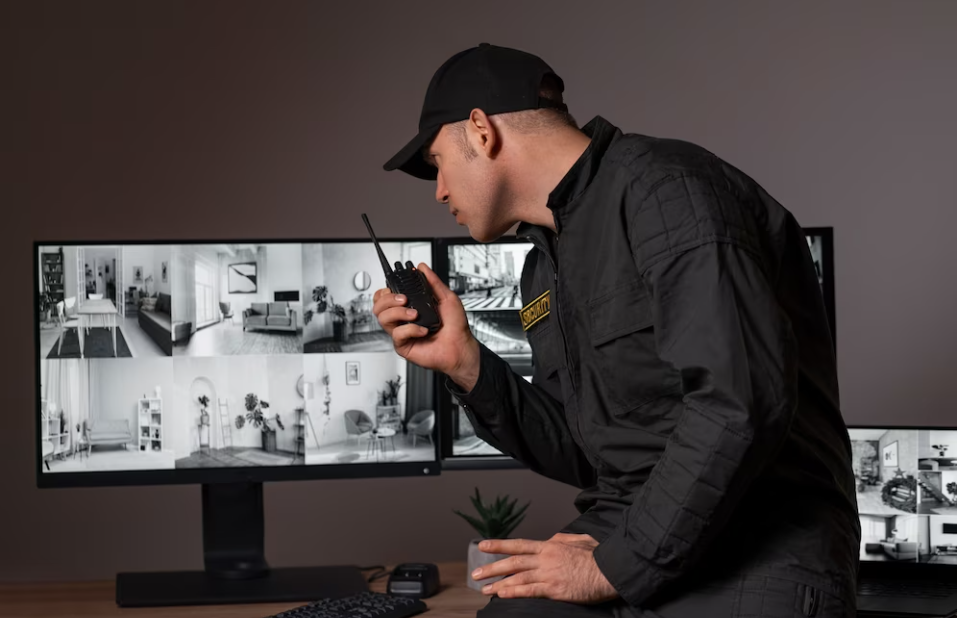
After installation, thoroughly test the CCTV system to ensure proper functionality and image quality. Check camera angles, focus, and video feeds on the recording device. Verify that all cameras are capturing the desired areas and adjusting settings as necessary. Regularly maintain the system by cleaning camera lenses, checking connections, and updating firmware to ensure optimal performance. Periodic reviews and adjustments help maintain the effectiveness of the CCTV system.
Proper installation of CCTV systems is crucial for ensuring optimal security in Nigerian properties. By conducting a site survey, strategically placing cameras, securely mounting and wiring them, establishing reliable connections, and enabling remote access, property owners can enhance surveillance measures. Regular testing and maintenance contribute to the long-term effectiveness of the CCTV system. Implementing these best practices sets the foundation for comprehensive and reliable security monitoring, deterring potential threats, and protecting Nigerian properties.