Nigeria, like many other nations, is at a crossroads when it comes to transportation and environmental sustainability. The adoption of electric cars represents an opportunity for Nigeria to embrace clean and efficient mobility. In this article, we will explore the potential for electric cars in Nigeria and their role in shaping the future of transportation.
The Nigerian Transportation Challenge
Nigeria faces significant challenges in the transportation sector, including air pollution, traffic congestion, and a heavy reliance on fossil fuels. These issues not only impact the environment but also affect public health and the overall quality of life. Electric cars offer a promising solution to address these challenges.
The Benefits of Electric Cars in Nigeria
Reduced Air Pollution: Electric cars produce zero tailpipe emissions, which can significantly improve air quality in urban areas like Lagos and Abuja, where pollution levels are high.
Lower Operating Costs: Electric cars have lower operating costs compared to gasoline or diesel vehicles. They require less maintenance and can be charged with electricity, which is often cheaper than gasoline.
Energy Independence: By adopting electric cars, Nigeria can reduce its dependency on imported fossil fuels, enhancing energy security and reducing the impact of oil price fluctuations.
Sustainable Urban Development: Electric cars promote sustainable urban development by reducing noise pollution and contributing to cleaner, healthier cities.
Challenges and Opportunities
While electric cars hold immense promise for Nigeria, there are challenges to overcome:
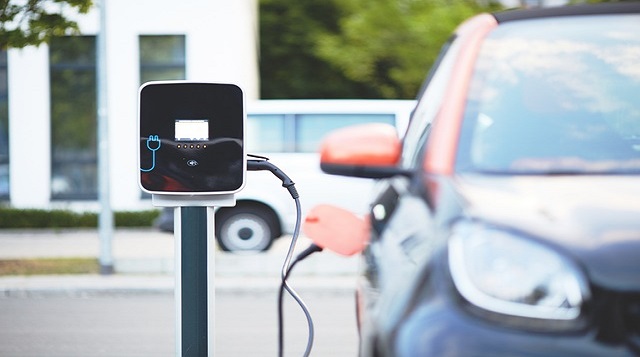
Charging Infrastructure: Building a robust charging infrastructure is essential for the adoption of electric cars. Nigeria needs to invest in charging stations in cities and along major highways.
Affordability: Electric cars can be expensive upfront. Government incentives and policies to reduce import tariffs and encourage local assembly can make them more accessible.
Grid Reliability: Ensuring a reliable power grid is critical to support electric car charging. Investments in grid infrastructure and renewable energy sources are key.
Consumer Education: Raising awareness and educating consumers about the benefits of electric cars is crucial to drive adoption.
Government Initiatives
The Nigerian government can play a pivotal role in promoting electric cars:
Incentives: Offering tax incentives, rebates, and subsidies to both consumers and manufacturers can stimulate the electric car market.
Regulatory Framework: Establishing clear regulations and standards for electric vehicles ensures safety, reliability, and quality.
Local Manufacturing: Encouraging local assembly and production of electric cars can create jobs and reduce costs.
Conclusion
Electric cars represent a transformative opportunity for Nigeria to embrace clean and efficient mobility while addressing environmental and transportation challenges. With the right policies, investments in charging infrastructure, and consumer education, Nigeria can position itself at the forefront of sustainable transportation in Africa. Embracing electric cars is not just a step forward; it’s a leap toward a cleaner, greener, and more prosperous future for the nation.