The world is at a crucial crossroads when it comes to transportation. As concerns about climate change and environmental sustainability continue to grow, electric cars have emerged as a promising solution. In this article, we’ll explore how electric cars are paving the way for a sustainable future of transportation.
The Need for Sustainable Transportation
Traditional gasoline and diesel-powered vehicles have been a major contributor to air pollution and greenhouse gas emissions. They not only harm the environment but also pose health risks to individuals. As the global population continues to urbanize and more vehicles hit the road, it’s imperative to find cleaner and more sustainable transportation solutions.
The Rise of Electric Cars
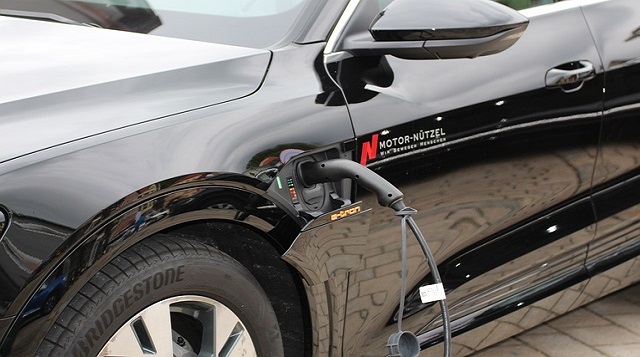
Electric cars, also known as electric vehicles (EVs), have gained significant traction in recent years. These vehicles are powered by electricity stored in high-capacity batteries, and they offer several key advantages:
1. Zero Emissions: Perhaps the most significant benefit of electric cars is their lack of tailpipe emissions. They produce no greenhouse gases or pollutants during operation, leading to cleaner air and reduced environmental impact.
2. Energy Efficiency: Electric cars are highly energy-efficient compared to their internal combustion engine counterparts. They convert a larger portion of their energy source into actual propulsion, resulting in lower energy consumption.
3. Lower Operating Costs: Electric cars have fewer moving parts and require less maintenance than traditional vehicles. Additionally, electricity is often cheaper than gasoline, resulting in lower operating costs.
4. Quiet Operation: Electric cars operate quietly, reducing noise pollution in urban areas.
5. Renewable Energy Integration: Electric cars can be charged using renewable energy sources, such as solar or wind power, further reducing their carbon footprint.
Environmental Impact and Innovations
Electric cars not only reduce greenhouse gas emissions but also promote innovation and sustainability in the automotive industry. Here are some noteworthy developments:
1. Battery Technology: Advances in battery technology have increased the range of electric cars and decreased charging times. Lithium-ion batteries are currently the most common, but research into alternative materials continues.
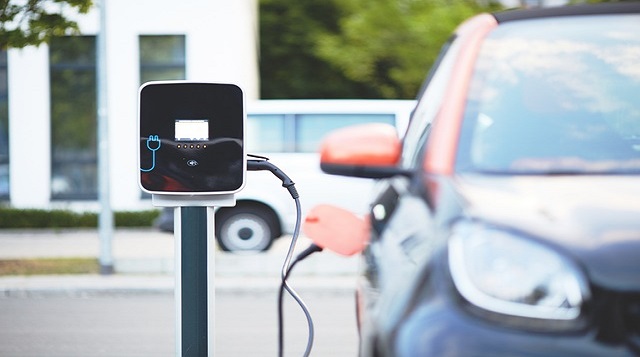
2. Charging Infrastructure: The expansion of charging infrastructure is essential for the widespread adoption of electric cars. Governments and private companies are investing in building more charging stations.
3. EV Models: Automakers are introducing a wider variety of electric car models, from compact city cars to luxurious SUVs. This diversity helps meet the needs of a broader range of consumers.
4. Policy Support: Governments worldwide are offering incentives, tax credits, and rebates to encourage the adoption of electric cars. These policies promote sustainable transportation and reduce the upfront cost of EVs.
Electric Cars in Nigeria: Embracing the Future of Clean and Efficient Mobility
Nigeria, like many other countries, is also witnessing the emergence of electric cars. As Africa’s most populous nation, Nigeria faces significant air pollution challenges, especially in its urban centers. The adoption of electric cars offers a unique opportunity to address these issues while embracing a sustainable future of transportation.
Conclusion
Electric cars represent a vital step toward achieving sustainable transportation and combating climate change. Their zero-emission operation, energy efficiency, and ongoing technological innovations make them a promising solution for reducing the environmental impact of our transportation systems. As electric cars become more accessible and widely adopted, they are paving the way to a cleaner and more sustainable future of mobility for all.