As the world grapples with the challenges of climate change and pollution, electric cars have emerged as a green solution for transportation. In this article, we will delve into the environmental impact of electric cars and the innovations driving their adoption.
Environmental Impact of Electric Cars
Reduced Emissions: Electric cars produce zero tailpipe emissions. This means they do not release pollutants like carbon monoxide, nitrogen oxides, and particulate matter, which are harmful to human health and the environment.
Lower Carbon Footprint: The environmental impact of electric cars largely depends on the source of electricity used for charging. When charged with electricity from renewable sources like wind or solar, electric cars have a significantly lower carbon footprint compared to conventional vehicles.
Energy Efficiency: Electric cars are more energy-efficient than internal combustion engine vehicles. They convert a higher percentage of the energy from the power grid into forward motion, resulting in less energy waste.
Noise Reduction: Electric cars operate quietly, reducing noise pollution in urban areas. This has a positive impact on the quality of life for city dwellers.
Reduced Dependency on Fossil Fuels: Electric cars reduce the dependency on fossil fuels like gasoline and diesel, which are finite resources and contribute to carbon emissions when burned.
Innovations in Electric Car Technology
Battery Advancements: Ongoing research into battery technology is leading to higher energy density, faster charging times, and longer ranges. Solid-state batteries and other innovations hold promise for further improvements.
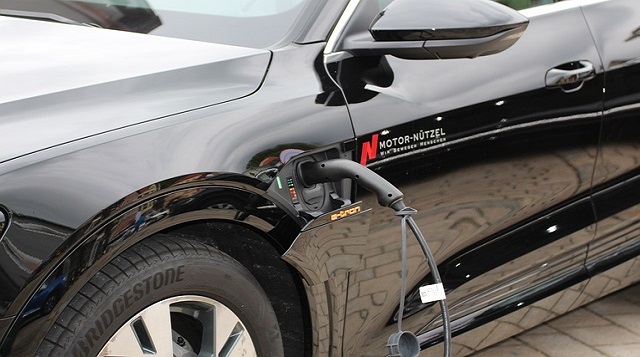
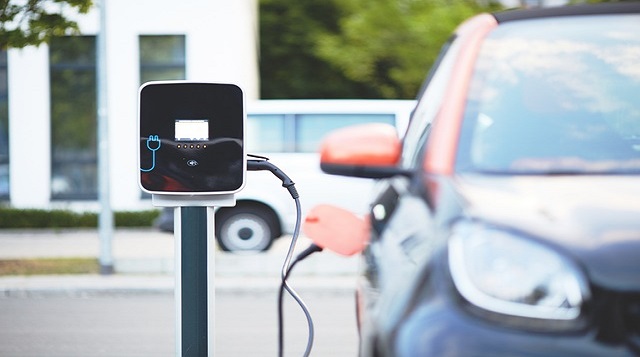
Charging Infrastructure: The development of a robust charging infrastructure is crucial for the widespread adoption of electric cars. Ultra-fast charging stations are being deployed, reducing charging times to a matter of minutes.
Smart Grid Integration: Electric cars are being integrated into smart grids, allowing for more efficient charging and grid stability. Vehicle-to-grid (V2G) technology enables EVs to supply power back to the grid during peak demand.
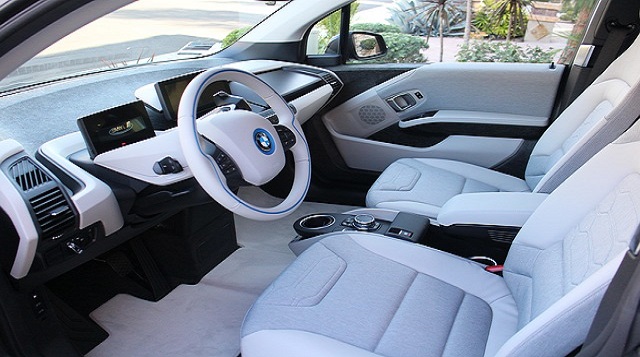
Sustainable Materials: Automakers are increasingly using sustainable materials in the production of electric cars, reducing their environmental impact. This includes recycled plastics, eco-friendly interior materials, and sustainable manufacturing practices.
Autonomous Driving: Electric cars are at the forefront of autonomous driving technology. Advanced driver-assistance systems (ADAS) and self-driving capabilities are becoming standard features, improving safety and efficiency.
Government Support and Policy
Many governments around the world are actively promoting the adoption of electric cars through various policies and incentives. These include tax credits, rebates, subsidies, and emissions reduction targets. These policies not only make electric cars more affordable but also encourage automakers to invest in electric vehicle development.
The Path Forward: A Sustainable Future
Electric cars are a key component of the transition to a more sustainable future of transportation. Their environmental benefits, combined with ongoing technological innovations and government support, are driving their widespread adoption. As consumers and industries increasingly prioritize sustainability, electric cars are playing a crucial role in reducing emissions, improving air quality, and mitigating the effects of climate change. Embracing electric cars is not just a choice; it’s a commitment to a greener and more environmentally responsible way of moving forward.