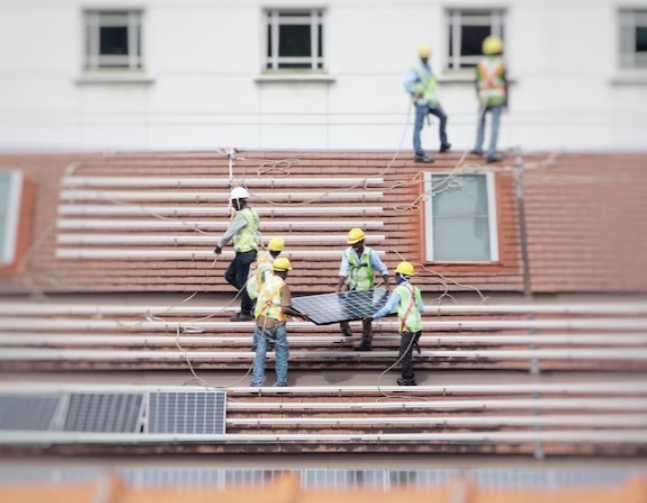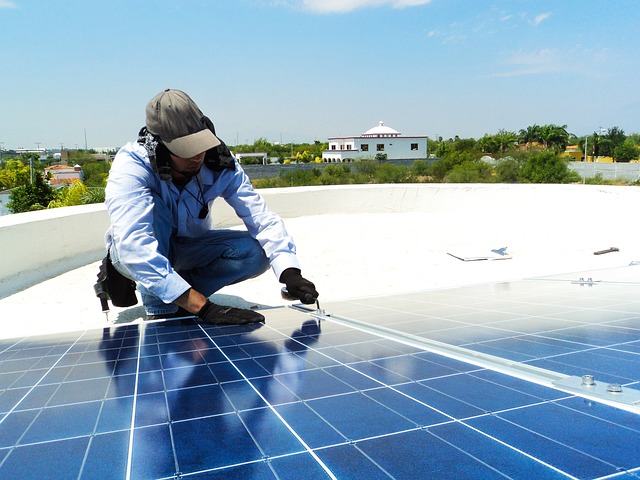
Nigeria, like many countries, is increasingly embracing renewable energy solutions to address the challenges of power supply. Solar & Inverter Systems have emerged as a viable and sustainable energy solution in Nigeria. In this article, we explore the advantages of harnessing solar and inverter systems, highlighting the benefits they offer in terms of clean energy, cost savings, and environmental impact.
- Clean and Renewable Energy:
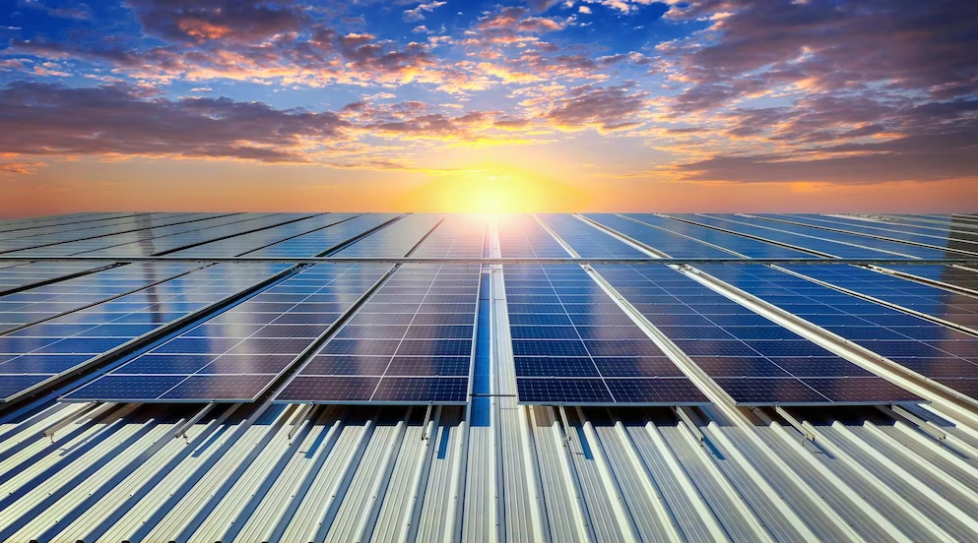
Solar & Inverter Systems harness the power of sunlight to generate clean and renewable energy. By installing solar panels on rooftops or in open spaces, Nigerian homeowners can generate electricity without relying solely on the grid. Solar energy is an abundant resource in Nigeria, and by utilizing it, households can significantly reduce their carbon footprint and contribute to a greener environment.
- Reliable Power Supply:
One of the key advantages of Solar & Inverter Systems in Nigeria is the ability to provide a reliable power supply. In a country with an unreliable grid infrastructure, solar power offers a dependable alternative. Solar panels, combined with efficient battery storage in the inverter system, ensure a constant supply of electricity even during grid outages or load shedding. This reliability enhances the quality of life and productivity for Nigerian homeowners.
- Cost Savings and Return on Investment: Solar & Inverter Systems offer long-term cost savings and a favorable return on investment. While the initial installation costs may seem significant, the savings over time can be substantial. Solar energy reduces dependence on expensive diesel generators and utility bills. With the right-sized system, homeowners can even earn money by feeding excess energy back into the grid through net metering programs. Over time, the system pays for itself and continues to generate savings for Nigerian households.
- Energy Independence:
By installing Solar & Inverter Systems, Nigerian homeowners can achieve a certain level of energy independence. They become less reliant on the unstable grid infrastructure and are not subject to frequent power outages. With solar power, they have greater control over their energy consumption and can tailor their system size to meet their specific needs. This energy independence empowers homeowners and provides a sense of security and stability in their daily lives.
- Low Maintenance and Long Lifespan:
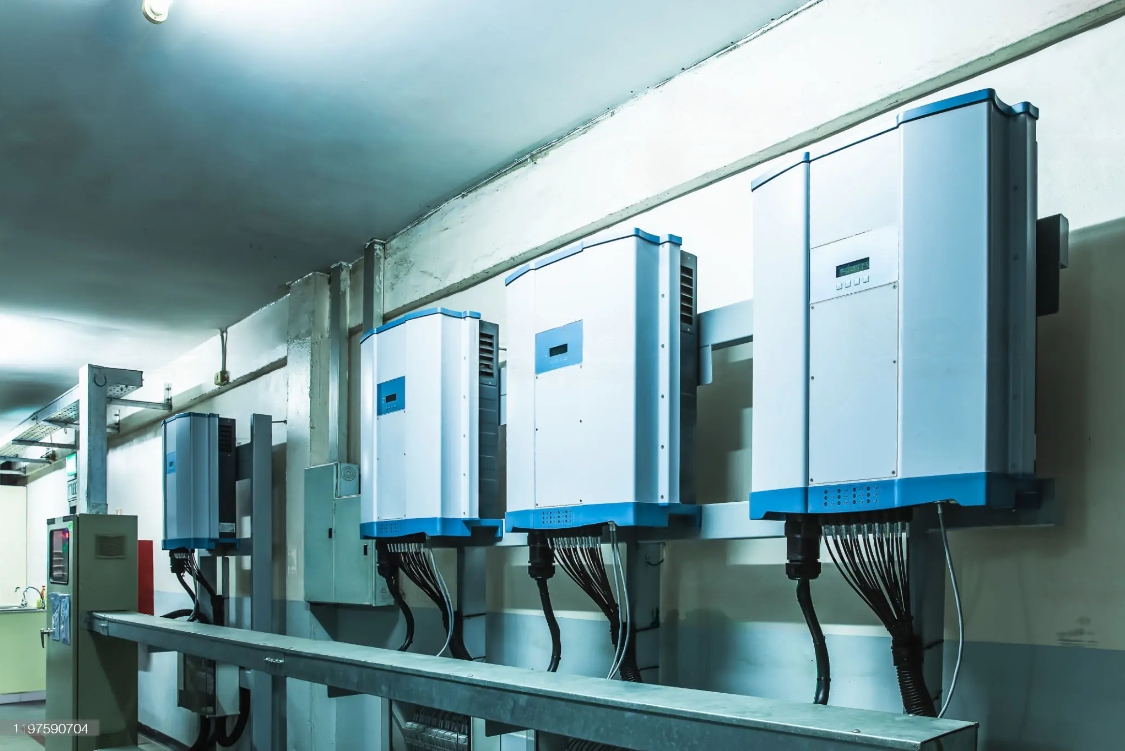
Solar & Inverter Systems require minimal maintenance and have a long lifespan. Once installed, solar panels typically require only occasional cleaning to ensure optimal performance. Inverter systems, which convert solar energy into usable electricity, have no moving parts and require little maintenance. With proper care, solar panels can last for decades, providing a reliable and sustainable energy solution for Nigerian homeowners.
- Environmental Impact: Solar & Inverter Systems have a significantly lower environmental impact compared to traditional energy sources. By reducing reliance on fossil fuels, they help mitigate greenhouse gas emissions and air pollution. Solar energy production produces no harmful emissions, making it an eco-friendly choice. Embracing solar and inverter systems in Nigeria contributes to global efforts to combat climate change and protect the environment for future generations.

Furthermore, Solar & Inverter Systems offer numerous advantages for Nigerian homeowners, including clean and renewable energy, reliable power supply, cost savings, energy independence, low maintenance, and positive environmental impact. By harnessing the power of the sun, Nigerian households can reduce their reliance on the grid, save money on electricity bills, and contribute to a greener future. Solar & Inverter Systems are a sustainable energy solution that empowers Nigerian homeowners to take control of their energy needs while positively impacting the environment.