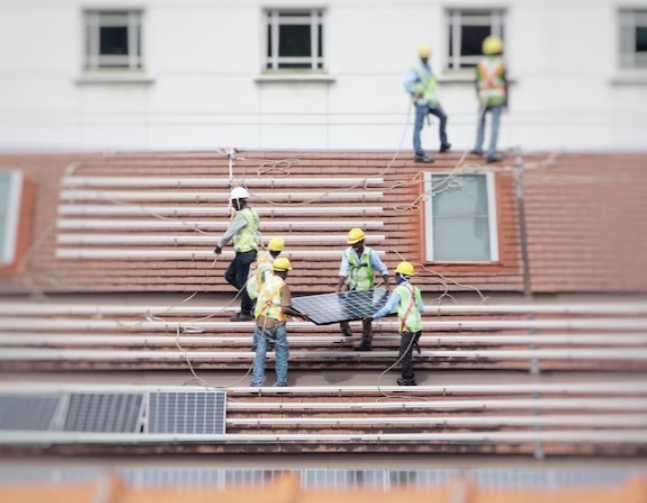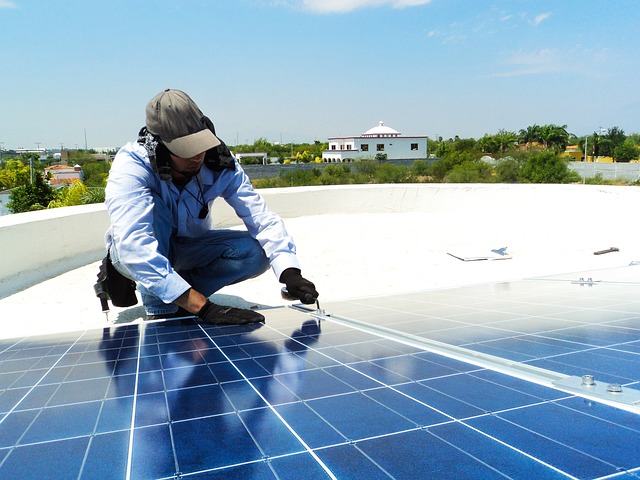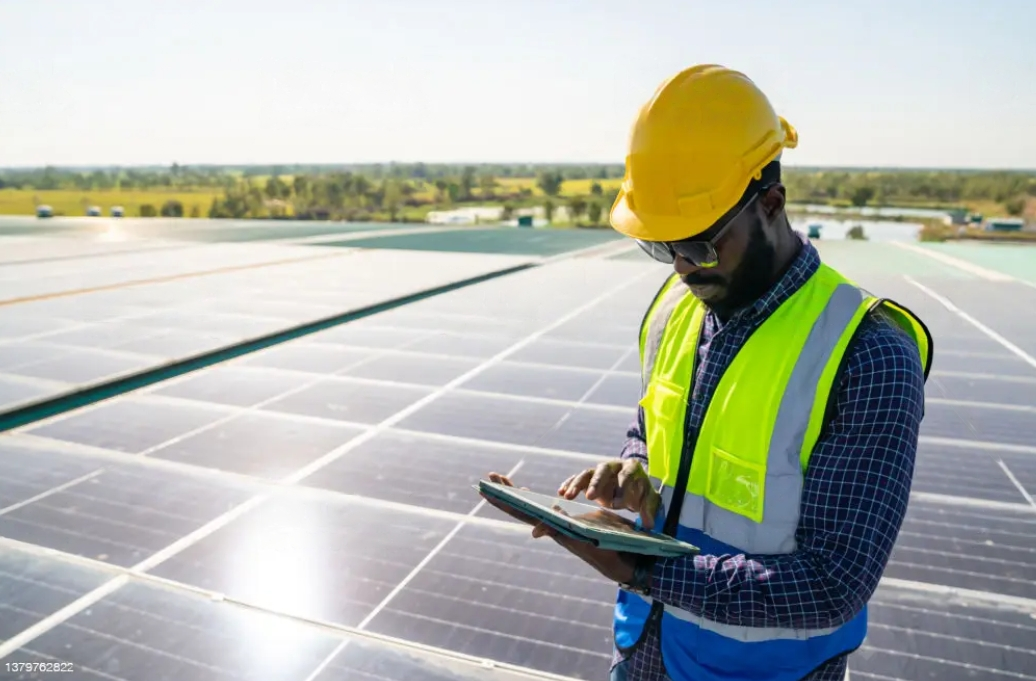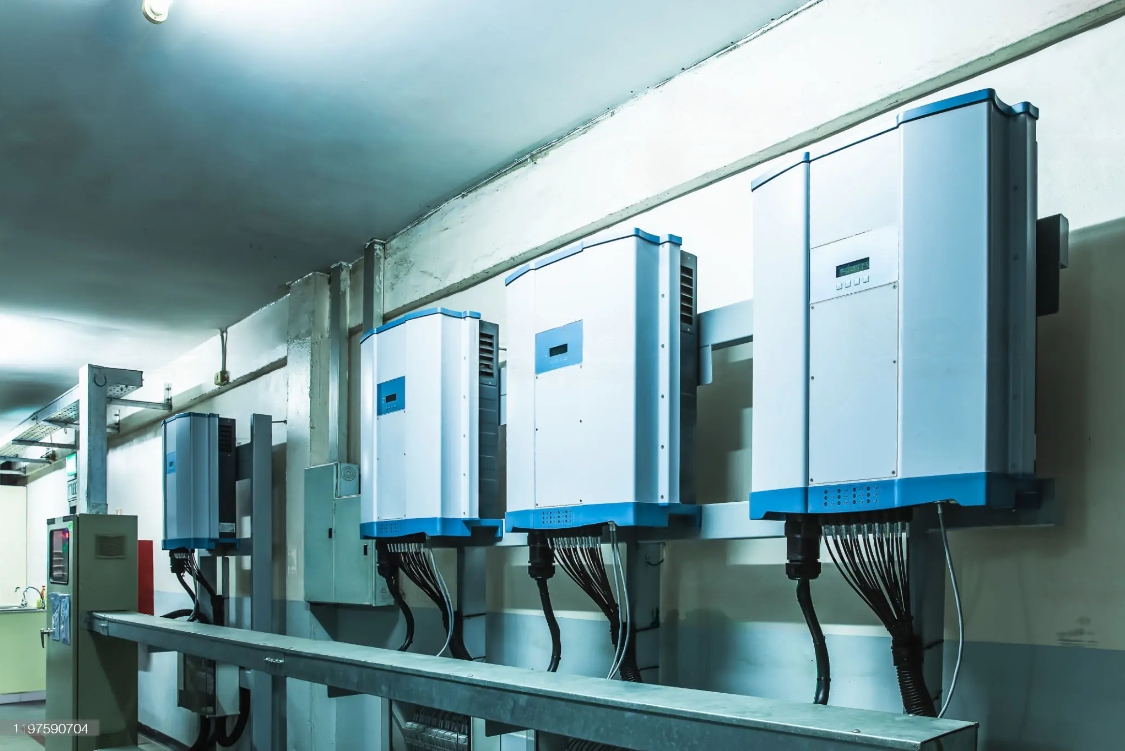
Solar & Inverter Systems have emerged as a game-changer in Nigeria, offering homeowners the opportunity to save money on energy bills while reducing their environmental impact. This article explores the ways in which solar and inverter systems benefit Nigerian homeowners, highlighting the financial savings, environmental advantages, and long-term value that these systems provide.
Reduced Energy Bills:
One of the primary benefits of solar and inverter systems is the potential for significant savings on energy bills. By generating your own electricity, you can reduce or eliminate your reliance on the grid, especially during peak electricity tariff periods. Solar panels convert sunlight into usable energy, which can be stored in batteries through the inverter system. This stored energy can power your home, reducing the amount of electricity you need to purchase from the utility company and resulting in substantial savings over time.
Return on Investment:
Investing in solar and inverter systems offers a favorable return on investment for Nigerian homeowners. While the initial installation costs may seem substantial, the long-term financial benefits outweigh the upfront expenses. Solar panels have a lifespan of several decades and require minimal maintenance. As you generate your own electricity and reduce your reliance on the grid, the savings on energy bills accumulate, eventually offsetting the initial investment. Over time, the system pays for itself and continues to generate savings, providing a solid return on investment.
Protection Against Rising Energy Costs:
Electricity tariffs in Nigeria have a history of increasing over time. By installing solar and inverter systems, homeowners can protect themselves against rising energy costs. As the cost of grid electricity rises, your solar panels continue to generate free electricity, shielding you from the impact of escalating tariffs. This protection against increasing energy costs provides long-term financial stability and savings.
Environmentally Friendly:
Solar and inverter systems are an environmentally friendly energy solution. By utilizing clean and renewable solar power, you reduce your carbon footprint and contribute to mitigating climate change. Solar energy production produces no greenhouse gas emissions, air pollution, or noise pollution, making it an eco-friendly choice. By embracing solar power, Nigerian homeowners play an active role in preserving the environment and leaving a positive impact for future generations.
Energy Independence and Reliability:
Solar and inverter systems provide energy independence and reliability for Nigerian homeowners. By generating your own electricity, you become less reliant on the grid and its associated limitations and fluctuations. Solar power ensures a stable and consistent energy supply, even during grid outages or load shedding. This energy independence provides peace of mind, knowing that your home will have a reliable source of power regardless of external factors.
Increased Property Value:
The installation of solar and inverter systems can increase the value of your property. Homebuyers are increasingly drawn to homes with renewable energy features, recognizing the long-term cost savings and environmental benefits. Solar-powered homes often command a higher resale value and attract environmentally conscious buyers. Installing solar and inverter systems not only benefits you financially but also enhances the attractiveness and desirability of your property in the real estate market.
Conclusion:
Solar and inverter systems offer substantial benefits for Nigerian homeowners, including reduced energy bills, a favorable return on investment, protection against rising energy costs, environmental friendliness, energy independence, reliability, and increased property value. By embracing solar power, homeowners can save money, reduce their environmental impact, and enjoy a sustainable and reliable energy solution. Investing in solar and inverter systems is a smart choice that benefits both your wallet and the environment, creating a brighter and more sustainable future for Nigeria.