Virtual Reality (VR) has evolved from a niche technology into a powerful tool with a wide range of applications and untapped potential. In this article, we’ll take a closer look at the exciting world of VR, its current applications, and the untapped possibilities it holds.
The Immersive Power of VR
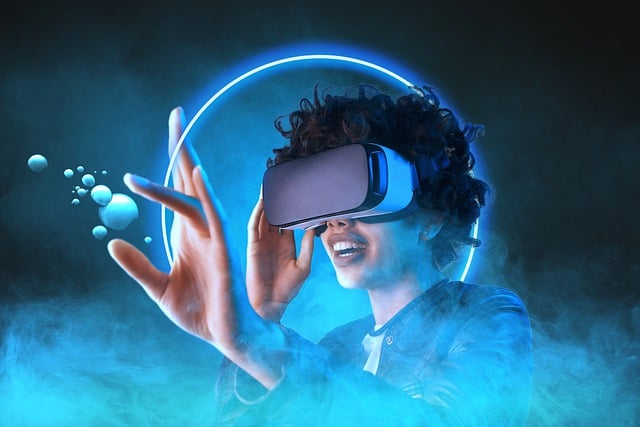
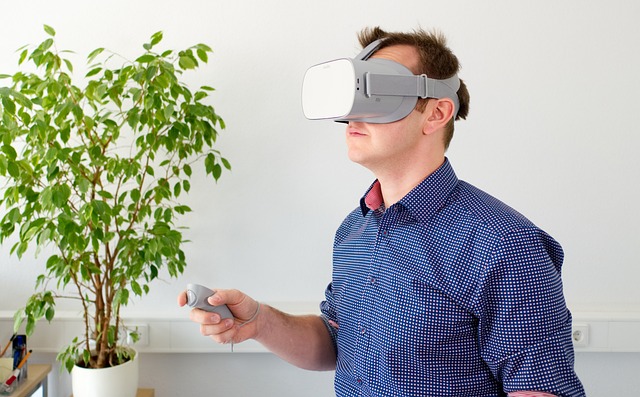
VR is a technology that immerses users in a digital environment, replicating the sensation of being physically present in a different place or time. This immersion is achieved through the use of VR headsets that track the user’s movements and adjust the digital environment accordingly. The result is a deeply engaging and interactive experience.
Current Applications of VR
Gaming: VR gaming is one of the most popular and well-established applications. Players can step into virtual worlds, interact with objects, and engage in gameplay like never before.
Education: VR is revolutionizing education by providing students with immersive learning experiences. From exploring historical events to dissecting virtual organisms, education becomes engaging and memorable.
Healthcare: In the healthcare sector, VR is used for medical training, pain management, and exposure therapy for patients with phobias or PTSD. Surgeons can practice procedures in a risk-free virtual environment.
Entertainment: VR extends entertainment beyond gaming to immersive storytelling, virtual concerts, and 360-degree videos. It offers a new dimension to creative expression.
Architecture and Design: Architects and designers use VR to create virtual walkthroughs of buildings and spaces, allowing clients to experience designs before construction begins.
Untapped Potential of VR
While VR has made significant inroads, its potential remains largely untapped:
Telepresence: VR can transform remote work and collaboration. Virtual meeting spaces allow colleagues from different locations to interact as if they were in the same room, fostering better communication and collaboration.
Medical Simulation: VR can advance medical training by providing realistic simulations of surgeries and medical procedures. It offers a safe environment for healthcare professionals to hone their skills.
Therapeutic Applications: VR has the potential to revolutionize mental health treatment. Virtual environments can be tailored for exposure therapy, relaxation, and stress reduction, offering a new approach to therapy.
Cultural Preservation: VR can help preserve cultural heritage by recreating historical sites and artifacts. It allows people to explore and learn about the past in immersive ways.
Space Exploration: Astronauts can train for space missions in VR simulations, preparing them for the challenges of space exploration.
Challenges and Advancements
VR faces challenges such as cost, accessibility, and motion sickness. However, ongoing advancements in hardware, software, and content creation are addressing these issues. Wireless headsets, improved graphics, and haptic feedback systems are making VR more accessible and comfortable for users.
Conclusion
Virtual Reality is more than just a gaming technology; it’s a versatile tool with the potential to revolutionize multiple industries and aspects of our lives. As VR technology continues to advance, we can look forward to unlocking new dimensions of human experiences, from collaborative workspaces to innovative healthcare solutions and beyond. Step into the new reality, where the possibilities are limitless.