The world of robotics is constantly evolving, with new innovations and challenges shaping its future. In this article, we’ll explore the exciting developments in robotics and the hurdles that lie ahead as we move toward a more automated and interconnected world.
Innovations in Robotics
The field of robotics is witnessing remarkable innovations driven by advancements in technology. Here are some of the key areas where innovation is flourishing:
1. Artificial Intelligence (AI): AI is at the forefront of robotics development. Machine learning algorithms enable robots to learn from data and adapt to new tasks. This has led to more versatile and intelligent robots capable of handling complex operations.
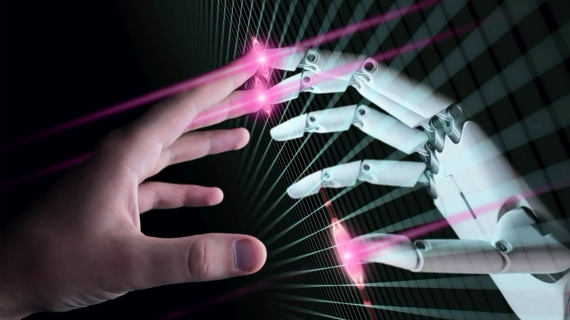
2. Human-Robot Interaction: Researchers are working on improving the way humans and robots interact. Natural language processing and gesture recognition enable more intuitive communication with robots, making them easier to work with in various settings.
3. Miniaturization: Miniaturization of components has led to the development of smaller, more agile robots. These miniature robots are ideal for tasks in confined spaces or environments where larger robots can’t operate.
4. Biomechanics: Biomimicry, or emulating natural biological systems, is a growing trend. Robots inspired by animals and insects are being designed for tasks like search and rescue, exploration, and even medical procedures.
5. Collaborative Robots (Cobots): Collaborative robots are designed to work alongside humans. They are equipped with safety features like sensors and soft materials, ensuring they can operate safely in shared workspaces.
Challenges and Ethical Considerations
While the future of robotics is promising, it also presents challenges and ethical considerations:
1. Job Displacement: Automation and robotics may lead to job displacement in some industries. It’s essential to address workforce reskilling and job transition programs.
2. Privacy: As robots become more integrated into our lives, concerns about data privacy and surveillance need careful consideration.
3. Security: Ensuring the security of robotic systems is critical to prevent malicious attacks or misuse.
4. Ethical Behavior: Establishing ethical guidelines for robots is essential to ensure their behavior aligns with societal values.
The Future of Robotics
The future of robotics is full of possibilities. Here are some glimpses into what we can expect:
1. Medical Breakthroughs: Robotics will continue to play a significant role in medical procedures, leading to breakthroughs in healthcare and improved patient outcomes.
2. Space Exploration: Robots will explore distant planets and asteroids, expanding our understanding of the cosmos.
3. Industry 4.0: In manufacturing, robots will drive Industry 4.0 with smart factories, where automation and data exchange optimize production processes.
4. Education: Robotics education programs will foster innovation, preparing the next generation for a world where human-robot collaboration is the norm.
Conclusion
The future of robotics is a blend of innovation and challenges. While robots will continue to reshape industries, enhance healthcare, and simplify our lives, addressing the associated challenges, from job displacement to ethical considerations, will be crucial. The world of robotics is poised for an exciting future, where human ingenuity and automation come together to create a more interconnected and efficient world.