In today’s rapidly evolving world, security concerns have become a paramount consideration for homeowners and businesses alike. Closed-Circuit Television (CCTV) systems have emerged as a powerful tool in ensuring the safety and protection of properties across Nigeria. This article will delve into the significance of CCTV systems and how they effectively safeguard homes and businesses in the country.
Introduction to CCTV Systems:
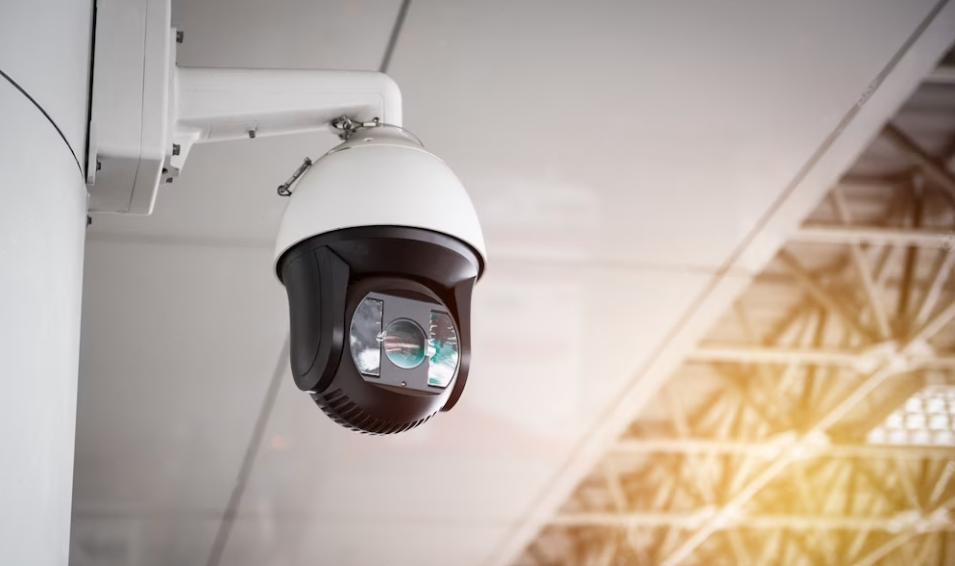
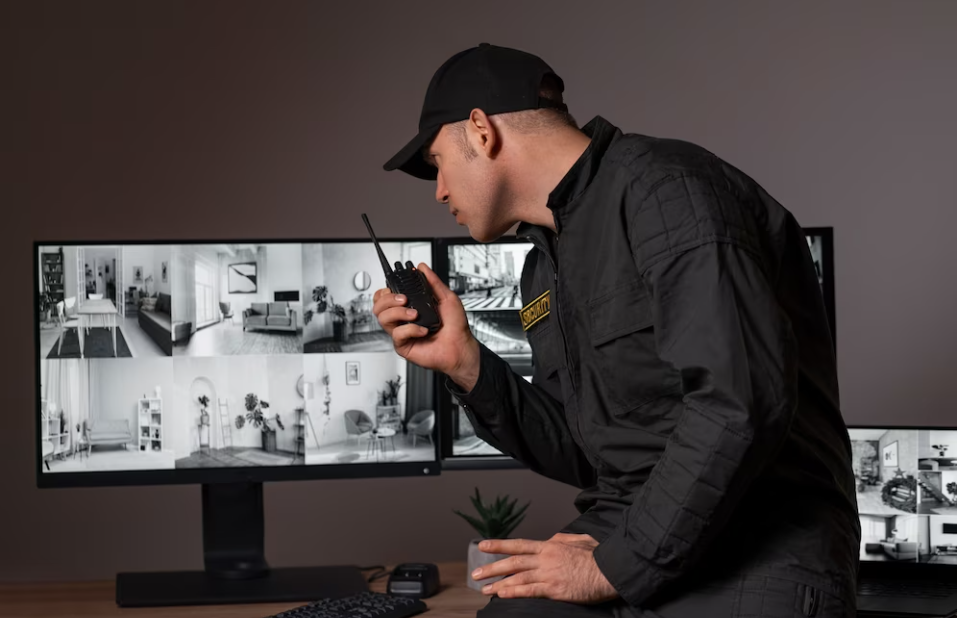
CCTV systems are a network of cameras that capture and transmit video footage to a central monitoring location. These systems offer continuous surveillance, recording activities and events in real-time. By employing CCTV, both residential and commercial properties in Nigeria can deter potential threats, identify intruders, and gather crucial evidence for investigations.
Enhancing Security in Homes:
For homeowners in Nigeria, investing in a CCTV system provides a sense of security and peace of mind. CCTV cameras can be strategically positioned around the premises, covering entry points, driveways, gardens, and other vulnerable areas. This comprehensive coverage acts as a deterrent, discouraging burglars or trespassers from targeting the property. In the unfortunate event of a break-in, the recorded footage serves as vital evidence for law enforcement agencies to apprehend the culprits.

Protecting Nigerian Businesses:
Businesses in Nigeria face various security challenges, including theft, vandalism, and employee misconduct. CCTV systems play a pivotal role in safeguarding commercial establishments. By installing cameras in entrances, parking lots, warehouses, and other critical areas, business owners can monitor activities in real-time and take immediate action when required. CCTV surveillance also discourages internal theft, ensuring the honesty and accountability of employees.
Selecting the Right CCTV System:
Choosing the appropriate CCTV system is crucial to maximize security benefits. In Nigeria, property owners must consider factors such as camera resolution, coverage range, night vision capabilities, and video storage options. It is recommended to consult with professional security providers who can assess specific requirements and propose tailored solutions. Opting for high-quality cameras and reliable recording devices ensures optimal performance and long-term reliability.

Integration with Modern Technology:
Advancements in technology have revolutionized CCTV systems, offering enhanced functionality and convenience. Many modern CCTV solutions in Nigeria are now integrated with mobile applications, allowing users to remotely monitor their properties from anywhere at any time. Real-time alerts and notifications keep users informed about suspicious activities, enabling them to take immediate action.
Compliance with Legal and Ethical Standards:
While CCTV systems provide numerous benefits, it is essential to respect privacy and comply with legal regulations. In Nigeria, property owners must be aware of local laws and regulations regarding the use of CCTV cameras. Generally, informing individuals of the presence of surveillance cameras through visible signage promotes transparency and ensures adherence to legal and ethical standards.
In conclusion, the importance of CCTV systems in safeguarding homes and businesses in Nigeria cannot be overstated. These surveillance systems act as a deterrent, offer real-time monitoring, and provide valuable evidence for investigations. By selecting the right CCTV system and integrating it with modern technology, property owners can significantly enhance the security of their premises. However, it is crucial to use CCTV systems responsibly, respecting privacy rights and complying with relevant legal and ethical standards.