Virtual Reality (VR) has transcended the realm of science fiction to become a transformative force in technology, entertainment, and various industries. This article delves into the immersive world of VR and explores its applications and potential beyond our wildest imagination.
Immersive Experiences with VR
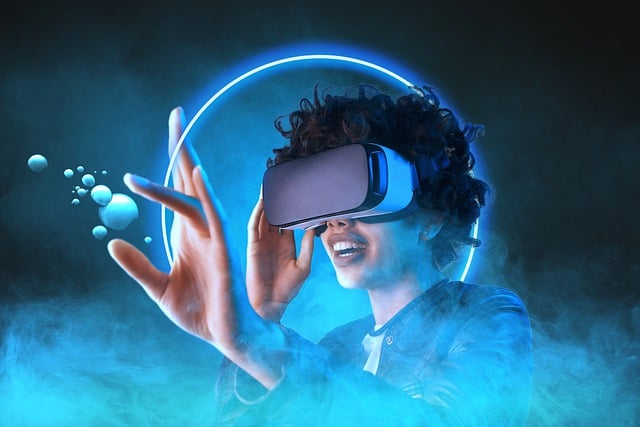
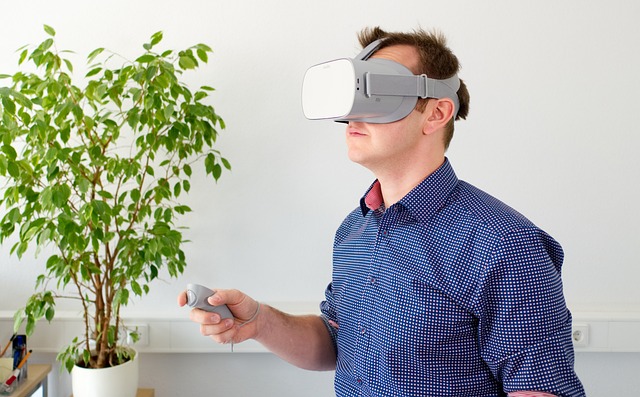
VR technology allows users to step into entirely immersive digital environments. By donning a VR headset, users are transported to virtual worlds where they can interact with objects, explore new landscapes, and even socialize with others in a simulated space. The sense of presence and immersion is what sets VR apart from traditional media.
Applications of VR
Gaming: VR gaming is perhaps the most well-known application. Players can physically move and interact within the game environment, making gaming a truly immersive experience.
Education: VR provides an unparalleled educational experience. Students can explore historical events, dive into the human body, or travel to outer space—all from the comfort of a classroom.
Healthcare: VR is revolutionizing healthcare by assisting in surgical training, pain management, and even exposure therapy for patients with phobias or PTSD.
Architecture and Design: Architects and designers use VR to create virtual walkthroughs of buildings and spaces, allowing clients to experience their projects before construction begins.
Entertainment: Beyond gaming, VR is used in the entertainment industry for immersive storytelling, virtual concerts, and 360-degree videos.
The Potential Beyond
While VR has made significant strides, its true potential extends far beyond its current applications:
Telepresence: VR can enable remote work and collaboration by creating lifelike virtual meeting spaces where colleagues from around the world can interact as if they were in the same room.
Medical Simulation: VR can be used for medical training and surgery simulations, helping healthcare professionals refine their skills in a risk-free environment.
Therapeutic Applications: VR therapy is emerging as a tool for treating various mental health conditions, such as anxiety disorders and phobias.
Archaeology and Cultural Preservation: VR can be used to reconstruct historical sites and artifacts, preserving cultural heritage for future generations.
Space Exploration: Astronauts can train in VR simulations of space missions, preparing them for the challenges of extraterrestrial exploration.
Challenges and Advancements
As VR continues to evolve, it faces challenges such as cost, accessibility, and motion sickness. However, ongoing advancements in hardware and software are addressing these issues. Lightweight, wireless headsets, improved graphics, and haptic feedback systems are making VR more accessible and comfortable.
Conclusion
Virtual Reality is not just about gaming; it’s a gateway to immersive experiences that can transform the way we learn, work, and interact. With the ongoing development of VR technology, the possibilities are limitless. As VR becomes more integrated into our daily lives, we are on the verge of unlocking a new era of digital experiences that will shape the future in unimaginable ways.