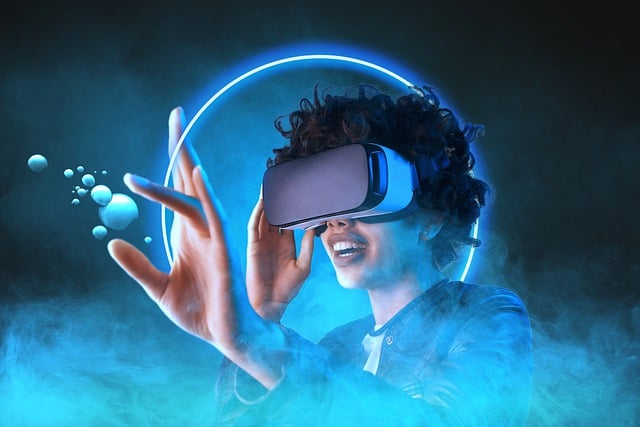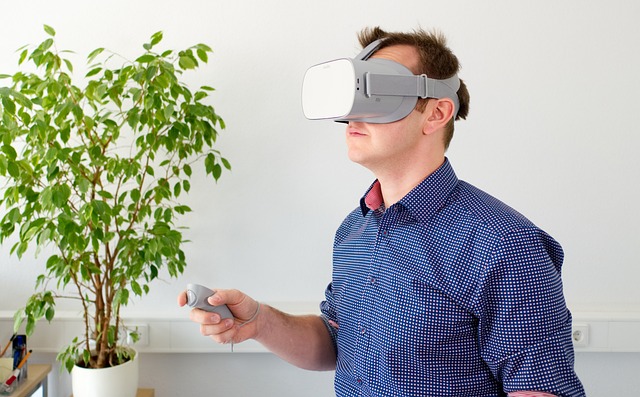
Virtual Reality (VR) has ushered in a new era of gaming and entertainment, redefining how we interact with digital content. In this article, we’ll explore the evolution of VR gaming and entertainment and the immersive experiences they offer.
The Gaming Revolution
VR gaming represents a seismic shift in the gaming industry. It goes beyond traditional gaming by placing players inside the game world. Here’s how it has evolved:
Early Experiments: VR gaming had humble beginnings with early experiments like Nintendo’s Virtual Boy. These devices, although intriguing, were limited by technology and didn’t gain widespread adoption.
Modern VR Gaming: The advent of powerful hardware like the Oculus Rift, HTC Vive, and PlayStation VR catapulted VR gaming into the mainstream. These headsets offered high-quality graphics, precise tracking, and immersive experiences.
Diverse Game Library: VR gaming now boasts a diverse library of titles across various genres, from action-packed shooters to relaxing exploration games. Players can swing lightsabers, solve puzzles, and even simulate real-world activities like fishing.
Multiplayer and Social Interaction: VR has introduced multiplayer and social interaction to gaming like never before. Players can meet up in virtual spaces, communicate with gestures and voice, and collaborate on missions or simply socialize.
Beyond Gaming
While gaming is a prominent VR application, the technology extends far beyond entertainment:
Virtual Tourism: VR allows users to virtually visit destinations worldwide. Explore historical landmarks, dive into coral reefs, or take a tour of outer space—all without leaving home.
Immersive Storytelling: VR is redefining storytelling by immersing viewers in the narrative. VR films and experiences offer an unprecedented level of engagement and emotional connection.
Virtual Concerts: Musicians are embracing VR to create virtual concerts and music experiences. Attend a live concert from the front row or even step onto the stage with your favorite artists.
Educational VR: VR is transforming education by providing immersive learning experiences. Students can dissect virtual organisms, explore historical events, and grasp complex concepts in an interactive way.
Challenges and Future Advancements
VR gaming and entertainment are not without challenges. These include the cost of high-end VR hardware, the need for more diverse content, and concerns about motion sickness. However, the industry is addressing these issues and pushing the boundaries of what’s possible.
Future advancements may include:
Improved Hardware: More accessible and lightweight VR headsets with better graphics and tracking.
Content Diversity: An even wider range of content, from AAA gaming titles to educational experiences.
Health and Wellness: Solutions to reduce motion sickness and promote user comfort during VR experiences.
Conclusion
VR gaming and entertainment have evolved from early experiments to immersive experiences that transport us to new worlds and redefine how we interact with digital content. As technology continues to advance and VR becomes more accessible, we can expect an even more exciting and diverse range of experiences in the world of virtual reality. The future of interactive digital entertainment is here, and it’s immersive, engaging, and limitless.